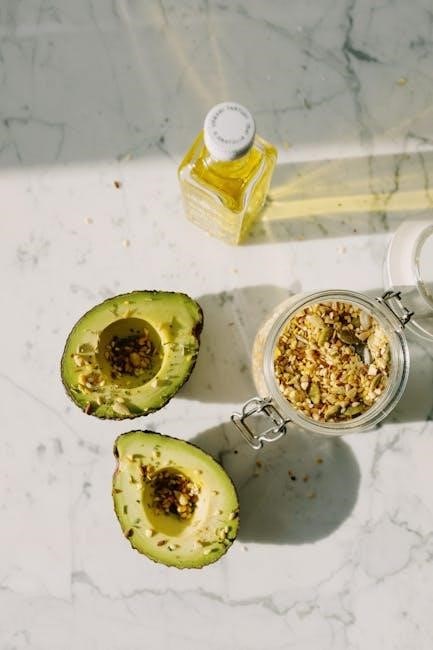
7-Day Vegetarian Keto Meal Plan: An Overview
Embarking on a 7-day vegetarian keto journey requires careful planning, focusing on low-carb, high-fat foods. This plan aims to guide you through creative, home-cooked meals,
prioritizing protein and healthy fats while drastically reducing carbohydrate intake for optimal results.
What is a Vegetarian Keto Diet?
A vegetarian ketogenic diet is a unique approach that combines the principles of vegetarianism with the low-carbohydrate, high-fat tenets of the ketogenic diet. Traditionally, keto focuses on significantly reducing carbohydrate intake – often to around 20-50 grams per day – and replacing those calories with healthy fats and moderate protein. This metabolic shift forces the body to enter a state called ketosis, where it begins to burn fat for fuel instead of glucose from carbohydrates.
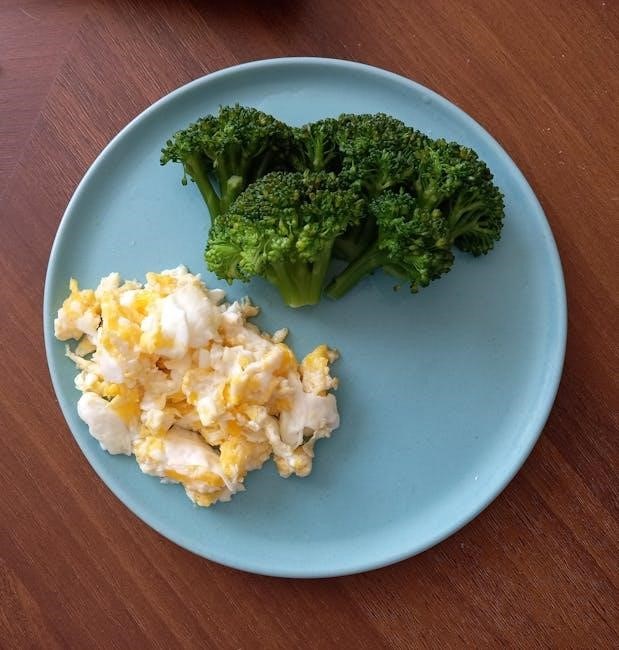
However, standard keto often relies heavily on animal products like meat, fish, and poultry. A vegetarian keto diet eliminates these, presenting a fascinating challenge: achieving and maintaining ketosis solely through plant-based sources and dairy (if included in your vegetarian practice). This requires careful selection of foods, prioritizing non-starchy vegetables, healthy fats like avocados and olive oil, and protein sources like tofu, tempeh, nuts, and seeds. It’s about creatively adapting the keto framework to align with a plant-focused lifestyle, demanding mindful meal planning and a deeper understanding of macronutrient content.
Benefits of a Vegetarian Keto Diet
Adopting a vegetarian keto lifestyle can unlock a range of potential health benefits, extending beyond those typically associated with either vegetarianism or the ketogenic diet alone. Like traditional keto, it may promote weight loss by encouraging fat burning and suppressing appetite. Improved blood sugar control is another key advantage, potentially benefiting individuals with insulin resistance or type 2 diabetes. The focus on whole, unprocessed plant foods can also contribute to enhanced nutrient intake, boosting overall health.
Furthermore, a well-planned vegetarian keto diet can be rich in fiber, supporting digestive health and promoting a feeling of fullness. It may also positively impact cholesterol levels and reduce inflammation. For vegetarians seeking to optimize their health or explore a new dietary approach, keto offers a compelling option. However, it’s crucial to ensure adequate nutrient intake, particularly vitamin B12, iron, and omega-3 fatty acids, which may require supplementation or careful food choices.
Meal Plan Principles & Macronutrient Targets
Success hinges on strict adherence to keto principles: high fat, moderate protein, and very low carbohydrates. This plan prioritizes these ratios, ensuring your body enters and maintains ketosis effectively.
Understanding Keto Macros for Vegetarians
Calculating macronutrient targets is crucial for a successful vegetarian keto diet. Unlike standard keto, vegetarians need to carefully consider protein sources and fat intake to compensate for the absence of meat. Generally, a good starting point is around 70-80% of daily calories from fat, 15-25% from protein, and 5-10% from net carbohydrates.
“Net carbs” are calculated by subtracting fiber from total carbohydrates. For a 20g net carb limit, this means focusing on non-starchy vegetables. Protein intake should be moderate, as excessive protein can be converted into glucose through gluconeogenesis, potentially hindering ketosis.
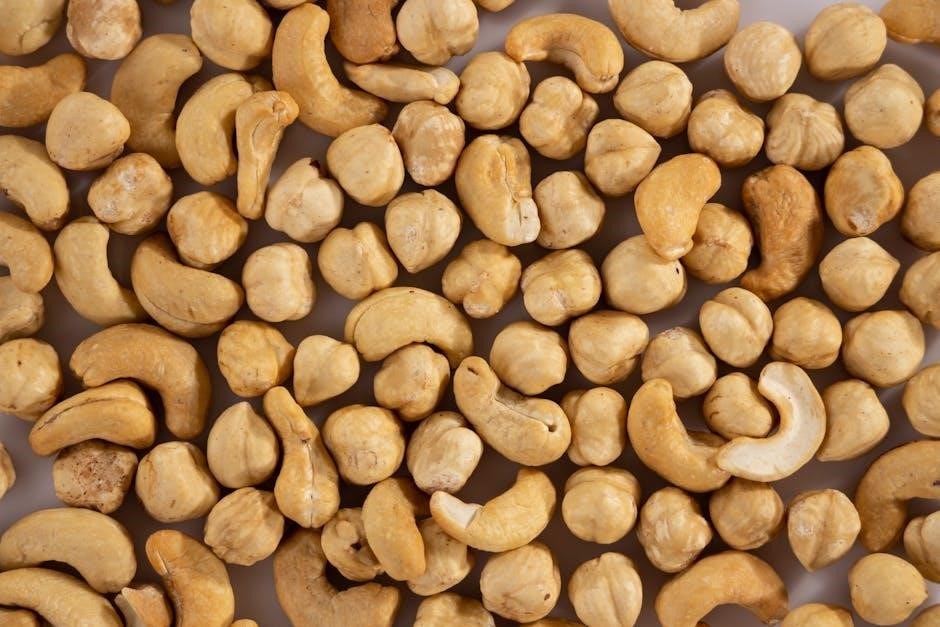
Vegetarian protein sources like tofu, tempeh, and nuts are valuable, but portion control is key. Fat sources should be prioritized – avocados, coconut oil, olive oil, and nuts/seeds are excellent choices. Tracking your macros using a food diary or app is highly recommended, especially when starting. Adjust these percentages based on individual needs and activity levels, monitoring ketone levels to ensure you’re in ketosis.
Foods to Focus On (and Avoid)
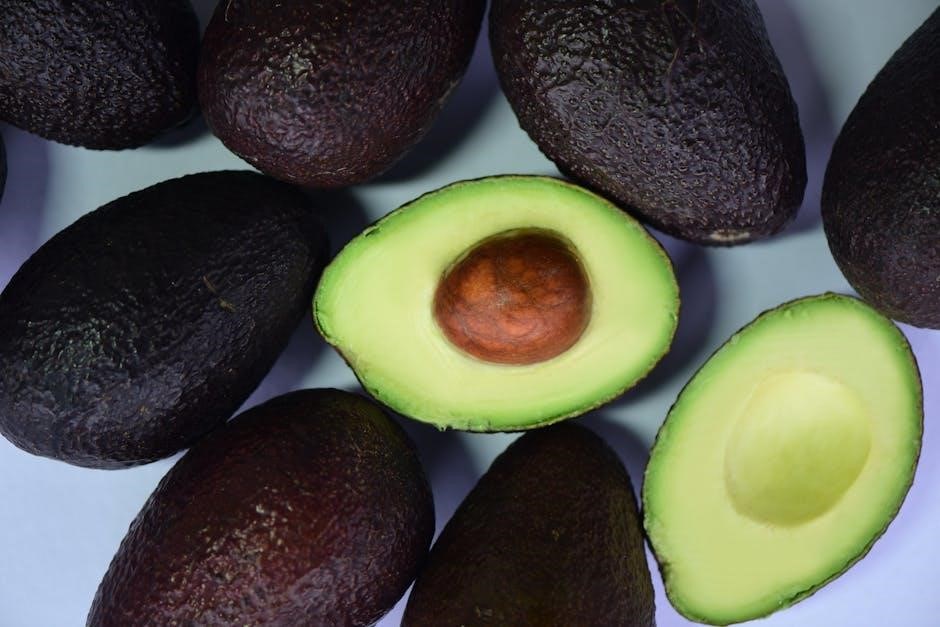
A successful vegetarian keto diet hinges on knowing which foods to embrace and which to restrict. Focus on non-starchy vegetables like spinach, kale, broccoli, and cauliflower – these provide essential nutrients with minimal carbs. Healthy fats are your friend: avocados, olive oil, coconut oil, and nuts (macadamia, almonds, walnuts) should be staples.
Excellent protein sources include tofu, tempeh, seitan (in moderation), eggs (if ovo-vegetarian), and certain cheeses. Seeds like chia, flax, and hemp offer fiber and healthy fats. Avoid all grains (rice, wheat, corn), legumes (beans, lentils), most fruits (except berries in small portions), and sugary foods.
Starchy vegetables like potatoes and sweet potatoes are also off-limits. Be mindful of hidden carbs in sauces and processed foods. Reading labels carefully is crucial. Prioritize whole, unprocessed foods to maintain ketosis and maximize nutritional benefits. Remember, cooking at home allows greater control over ingredients and carb intake.

The 7-Day Vegetarian Keto Meal Plan
This detailed plan provides a structured approach to vegetarian keto, offering daily meal ideas. It emphasizes low-carb ingredients and healthy fats, guiding you towards successful ketosis.
Day 1: Kickstarting Ketosis
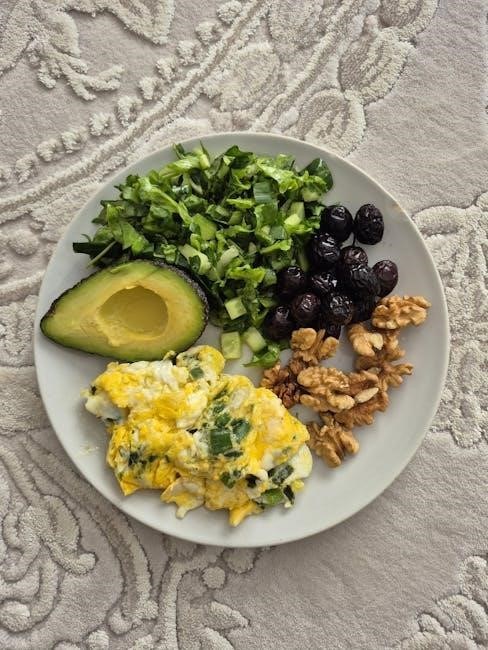
Today focuses on drastically reducing carbohydrate intake to initiate ketosis. Begin with a breakfast of scrambled eggs cooked in coconut oil with a handful of spinach – approximately 5g net carbs. Lunch should be a large salad featuring avocado, feta cheese, and olive oil dressing, aiming for around 7g net carbs. Prioritize healthy fats to provide energy as your body adjusts.
For dinner, enjoy a creamy cauliflower mash alongside sautéed mushrooms and halloumi cheese, keeping carbs under 8g. Throughout the day, drink plenty of water with added electrolytes to combat potential keto flu symptoms. Avoid all sugary drinks, fruits, and starchy vegetables. Snacking isn’t recommended on Day 1, but if needed, a small portion of macadamia nuts (around 2g net carbs) is permissible. Remember, the goal is to deplete glycogen stores and signal your body to switch to fat burning. This initial phase requires discipline and mindful food choices to ensure a smooth transition into ketosis.
Day 2: Increasing Fat Intake
Building on Day 1, today emphasizes boosting your fat consumption to fuel your body in ketosis. Start with a bulletproof coffee – coffee blended with 1-2 tablespoons of MCT oil and grass-fed butter – providing sustained energy with minimal carbs (around 1g net carb). For lunch, prepare a generous portion of avocado egg salad, using mayonnaise made with avocado oil, totaling approximately 6g net carbs.
Dinner features a baked avocado filled with cream cheese and sprinkled with pumpkin seeds, aiming for under 7g net carbs. Incorporate healthy fats like olive oil, coconut oil, and avocado into every meal. Consider a small snack of full-fat Greek yogurt with a few berries (around 4g net carbs) if needed. Continue prioritizing hydration and electrolyte intake. Pay attention to how your body feels and adjust fat intake accordingly. This day is about finding the right balance to maintain energy levels and support the ketogenic process.
Day 3: Incorporating Leafy Greens
Today, we introduce a significant increase in non-starchy leafy green vegetables to boost micronutrient intake and fiber. Begin with a spinach and feta omelet for breakfast, providing around 4g net carbs and a good source of protein. Lunch consists of a large salad featuring mixed greens, avocado, olives, and a full-fat vinaigrette dressing – aiming for approximately 5g net carbs. Ensure the dressing is sugar-free!
Dinner features sautéed kale with garlic and olive oil, alongside a side of halloumi cheese (around 6g net carbs). Leafy greens offer essential vitamins and minerals while remaining low in carbohydrates. Continue to prioritize healthy fats throughout the day. A small snack of celery sticks with almond butter (around 3g net carbs) can help manage hunger. Remember to drink plenty of water and monitor your ketone levels to ensure you remain in ketosis. This day focuses on nutrient density alongside fat intake.
Day 4: Utilizing Keto-Friendly Seeds
Today’s focus is on incorporating keto-friendly seeds like chia, flax, and hemp to enhance your fat intake and add valuable nutrients. Start your day with a chia seed pudding made with unsweetened almond milk and a touch of stevia – approximately 5g net carbs; For lunch, enjoy a salad with a generous sprinkle of hemp seeds, avocado, and a creamy tahini dressing (around 6g net carbs). Hemp seeds provide a complete protein source.
Dinner features a cauliflower rice stir-fry with flax seeds and tofu, seasoned with tamari and ginger (approximately 7g net carbs). Seeds offer healthy fats, fiber, and essential minerals. A small snack of macadamia nuts and pumpkin seeds (around 4g net carbs) can satisfy cravings. Remember to track your macros and stay hydrated. Prioritize whole, unprocessed seeds for maximum benefit. This day emphasizes adding texture and nutritional value to your meals.
Day 5: Exploring Vegetarian Keto Snacks
Today is dedicated to discovering satisfying and convenient vegetarian keto snacks to keep you on track between meals. Begin with a handful of macadamia nuts (around 2g net carbs) for a quick energy boost. Mid-morning, enjoy celery sticks with cream cheese (approximately 3g net carbs) – a classic keto pairing. For a more substantial snack, consider a small avocado with everything bagel seasoning (around 4g net carbs).
Later, indulge in a cheese crisps made from baked parmesan cheese (around 1g net carbs) for a crunchy treat. A small portion of olives (around 1g net carbs) can also curb cravings. Remember to pre-portion your snacks to avoid overeating. Prioritize snacks high in healthy fats and low in carbohydrates. Staying prepared with keto-friendly options prevents impulsive choices; This day focuses on mindful snacking to maintain ketosis and prevent hunger pangs throughout the day.
Day 6: High-Fat Vegetarian Options
Today, we maximize fat intake with delicious and satisfying vegetarian keto meals. Start with a breakfast of scrambled eggs cooked in coconut oil with a generous serving of spinach and a sprinkle of cheese (around 5g net carbs). For lunch, prepare a creamy avocado and halloumi salad with a lemon-tahini dressing (approximately 6g net carbs). Halloumi, a firm cheese, provides a protein boost and satisfying texture.
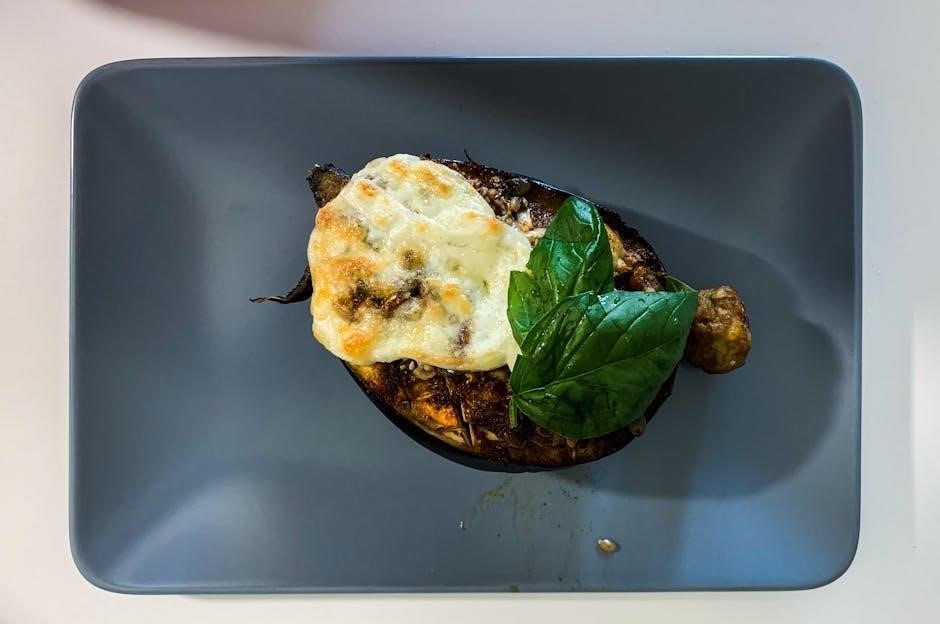
Dinner features a cauliflower-crust pizza topped with pesto, mozzarella, and mushrooms (around 8g net carbs). Focus on incorporating healthy fats like avocado oil, olive oil, and coconut oil into your cooking. Don’t shy away from full-fat dairy products like cream cheese and heavy cream. Remember, fat is your primary fuel source on keto. This day emphasizes nutrient-dense, high-fat options to sustain energy levels and promote ketosis. Prioritize flavor and satisfaction while staying within your macro targets.
Day 7: Maintaining Ketosis & Variety
Congratulations on reaching Day 7! Today focuses on solidifying your keto habits and enjoying a diverse range of flavors. Begin with chia seed pudding made with unsweetened almond milk, coconut flakes, and a few berries (around 7g net carbs). Lunch could be a large salad with mixed greens, avocado, feta cheese, and a vinaigrette dressing (approximately 5g net carbs).
For dinner, explore a vegetarian chili made with cauliflower rice, zucchini, and plenty of spices, topped with sour cream and cheese (around 9g net carbs). Continue to prioritize healthy fats and adequate protein. Remember to track your macros to ensure you remain in ketosis. This final day is about demonstrating that a vegetarian keto diet can be both sustainable and enjoyable. Experiment with different seasonings and recipes to prevent boredom and maintain long-term adherence;
Tips for Success & Potential Challenges
Success hinges on meticulous planning and consistent tracking. Expect initial hurdles like the “keto flu,” addressed with electrolytes and hydration. Resourceful recipe sourcing is key!
Dealing with the Keto Flu
The “keto flu” is a common experience when transitioning to a ketogenic diet, even a vegetarian one. It’s not a true influenza, but rather a collection of temporary symptoms arising from your body adapting to using fat for fuel instead of carbohydrates. These symptoms can include headache, fatigue, nausea, irritability, muscle cramps, and difficulty concentrating.
Fortunately, the keto flu is manageable and typically subsides within a few days to a week. Hydration is paramount; drink plenty of water throughout the day to replenish fluids lost due to altered electrolyte balance. Supplementing with electrolytes – sodium, potassium, and magnesium – is crucial. Bone broth is an excellent source of sodium and other minerals. Consider adding a pinch of sea salt to your water or consuming electrolyte-rich foods like spinach and avocados (in moderation, to stay within keto macros).
Adequate fat intake is also vital. Ensure you’re consuming enough healthy fats to provide your body with the energy it needs during this transition. Rest is equally important; allow your body time to adjust without overexertion. If symptoms are severe or prolonged, consult with a healthcare professional.
Sourcing Vegetarian Keto Recipes (PDF Resources)
Finding reliable vegetarian keto recipes can significantly simplify your 7-day meal plan and beyond. Numerous online resources offer downloadable PDF recipe collections specifically tailored to this dietary approach. Diet Doctor is a highly recommended source, providing a vast library of keto recipes, many adaptable for vegetarians, often available as downloadable PDFs for offline access.
Wholesome Yum also features a selection of keto recipes, including vegetarian options, with downloadable recipe cards and meal plans. Perfect Keto offers a range of resources, including recipe PDFs and guides focused on optimizing your ketogenic diet. Exploring these platforms allows you to build a comprehensive recipe database.
Additionally, searching for “vegetarian keto meal plan PDF” on Google or Pinterest will yield numerous free and paid resources. When selecting recipes, prioritize those with clear nutritional information, ensuring they align with your macronutrient targets. Remember to always review ingredients and adjust portion sizes as needed to fit your individual needs and preferences. Building a personal collection of trusted PDF recipes will streamline your keto journey.
0 comments on “7-day vegetarian keto meal plan pdf”Add yours →