Body mechanics in nursing centers on efficient‚ coordinated movements‚ safeguarding both patient and nurse; a pdf guide details these crucial principles for optimal safety.
Importance of Body Mechanics for Nurses
Employing proper body mechanics is paramount for nurses‚ directly impacting their long-term health and well-being. A comprehensive pdf resource on this topic highlights the significant reduction in musculoskeletal injuries when these principles are consistently applied. Nurses frequently engage in physically demanding tasks – lifting‚ transferring‚ and positioning patients – which place substantial stress on their bodies.
Without correct technique‚ these actions can lead to debilitating back pain‚ strains‚ sprains‚ and more serious chronic conditions. Prioritizing body mechanics isn’t merely about preventing injury; it also enhances efficiency and reduces fatigue‚ allowing nurses to provide safer‚ more effective patient care. A well-informed nurse‚ utilizing best practices detailed in a body mechanics pdf‚ is a more resilient and capable caregiver.
The Impact of Poor Body Mechanics on Nurses’ Health
Poor body mechanics significantly contribute to a high incidence of musculoskeletal disorders (MSDs) among nurses‚ as detailed in numerous pdf guides on the subject. Repeatedly lifting‚ bending‚ and twisting without proper technique places immense strain on the spine‚ muscles‚ and joints. This can manifest as acute injuries like back strains and sprains‚ but more commonly leads to chronic pain conditions.
A pdf analysis of nursing-related injuries reveals a strong correlation between improper lifting techniques and long-term disability. Beyond physical ailments‚ poor mechanics can also contribute to fatigue‚ decreased job satisfaction‚ and increased absenteeism. Investing in education and adherence to correct principles‚ readily available in body mechanics pdf resources‚ is crucial for protecting the health and longevity of nursing professionals.

Basic Principles of Body Mechanics
Body mechanics‚ outlined in a comprehensive pdf‚ prioritize posture‚ utilizing legs and hips‚ keeping objects near‚ and avoiding twisting for safe movement.
Maintaining Proper Posture
Maintaining proper posture is foundational to safe body mechanics‚ as detailed in nursing pdf guides. This involves keeping the back straight‚ shoulders relaxed‚ and head aligned with the spine. A neutral spine minimizes strain and maximizes efficiency during patient care tasks.
Good posture distributes weight evenly‚ reducing stress on joints and muscles. Nurses should avoid slouching or hunching‚ as these positions compromise alignment and increase the risk of musculoskeletal injuries. When standing for extended periods‚ shifting weight from one foot to the other can help prevent fatigue.
Furthermore‚ awareness of posture during all movements – lifting‚ bending‚ transferring patients – is crucial. Consciously engaging core muscles supports the spine and promotes stability. Regularly reviewing body mechanics resources‚ like those found in pdf formats‚ reinforces these principles and encourages consistent practice.
Utilizing Strong Muscle Groups (Legs & Hips)
Nursing pdf guides consistently emphasize leveraging the strength of the legs and hips‚ rather than the back‚ for all patient handling activities. These larger muscle groups are designed to bear weight and generate power‚ minimizing strain on the more vulnerable back muscles.
When lifting or transferring patients‚ bending at the knees and hips – keeping the back straight – allows the legs to do the work. This technique significantly reduces the risk of back injuries; Maintaining a wide base of support further enhances stability and control during movement.
Effective use of leg and hip muscles requires conscious effort and practice. Regularly reviewing body mechanics principles‚ often detailed in accessible pdf resources‚ reinforces proper technique. Nurses should prioritize using these powerful muscle groups to ensure both patient safety and their own well-being.
Keeping Objects Close to the Body
Numerous body mechanics pdf resources for nurses highlight the importance of minimizing leverage by holding objects – including patients during transfers – as close to the body as possible. This simple adjustment dramatically reduces the strain on the back and other muscles. Increasing the distance from the body exponentially increases the force required to lift or move an object.
By keeping the load centered over the base of support‚ nurses maintain better balance and control. This principle applies to everything from lifting equipment to assisting patients with ambulation. A pdf guide will often illustrate this with diagrams showing the difference in strain with varying distances.
Consistent application of this technique‚ reinforced through training and readily available pdf materials‚ is crucial for preventing musculoskeletal injuries and promoting safe patient handling practices.
Avoiding Twisting and Bending
Body mechanics pdf guides consistently emphasize that twisting the spine while lifting or moving a patient significantly increases the risk of back injury. Nurses should always pivot their feet to change direction‚ keeping their spine aligned. Bending at the waist‚ rather than flexing at the knees and hips‚ also places undue stress on the back muscles.
These movements compromise the body’s natural biomechanics‚ making it far more susceptible to strain and injury. A comprehensive pdf resource will detail proper techniques for turning and reaching‚ illustrating how to maintain a neutral spine.
Prioritizing straight movements‚ coupled with proper lifting techniques detailed in pdf training materials‚ is paramount for long-term musculoskeletal health and safe patient care.

Applying Body Mechanics to Patient Handling
Body mechanics‚ as detailed in a pdf guide‚ are crucial when assisting patients; alignment‚ balance‚ and support are key for safe transfers and movement.
Principles of Body Alignment and Balance
Maintaining proper body alignment is foundational to safe patient handling‚ as outlined in comprehensive body mechanics in nursing pdf resources. This involves keeping the patient’s ears‚ shoulders‚ and hips in a straight line when moving or positioning them.
Balance is equally vital; a wide base of support‚ achieved by widening the stance‚ enhances stability for both the nurse and the patient. Understanding the patient’s center of gravity and keeping it close to the nurse’s minimizes strain and risk of falls.
A pdf guide emphasizes coordinating movements and anticipating the patient’s needs to maintain equilibrium throughout the process. Proper alignment reduces stress on joints and muscles‚ preventing injuries for both parties involved; Effective communication with the patient is also essential to ensure their cooperation and participation in maintaining balance during transfers and movements.
Enlarging the Base of Support
A core tenet of safe patient handling‚ detailed in body mechanics in nursing pdf guides‚ is enlarging the base of support. This means widening the stance – feet should be shoulder-width apart or even wider – when performing any lifting‚ moving‚ or assisting task.
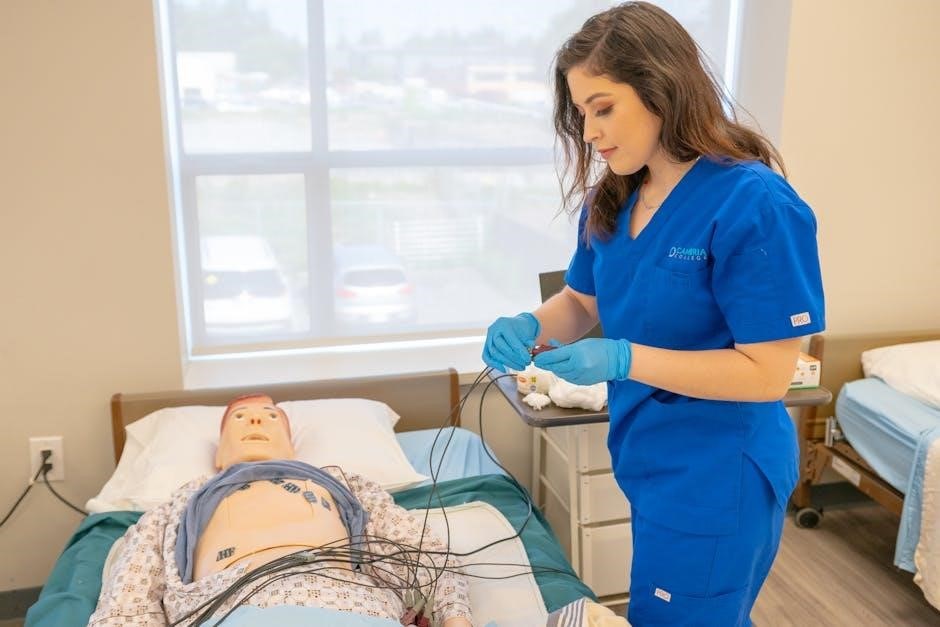
This wider stance provides increased stability and lowers the center of gravity‚ reducing the risk of losing balance or straining muscles. The pdf resources consistently highlight that a broader base distributes weight more effectively‚ minimizing stress on the back and other vulnerable areas.
Furthermore‚ pointing the feet slightly outward contributes to a more stable position. Nurses should instruct patients to participate by widening their own base of support when possible‚ promoting their safety and independence. Consistent application of this principle significantly reduces the incidence of musculoskeletal injuries.
Pushing‚ Pulling‚ and Lifting Techniques
Body mechanics in nursing pdf materials emphasize prioritizing pushing or pulling over direct lifting whenever feasible. Pushing and pulling utilize larger muscle groups – legs and arms – minimizing strain on the back. When pushing‚ keep the load close and use a smooth‚ controlled motion‚ leading with the legs.
Similarly‚ when pulling‚ maintain a straight back and use leg muscles to initiate the movement. If lifting is unavoidable‚ a proper technique is paramount. Bend at the knees and hips‚ keeping the back straight‚ and maintain a firm grip on the object.
Avoid twisting during lifts; pivot your feet to change direction. The pdf guides consistently stress the importance of assessing the load’s weight and seeking assistance when necessary‚ preventing potential injuries.

Specific Patient Handling Tasks & Body Mechanics
Body mechanics in nursing pdf resources detail safe techniques for moving‚ transferring‚ and ambulating patients‚ prioritizing alignment and minimizing strain for both caregiver and patient.
Moving Patients in Bed
Moving patients in bed requires careful application of body mechanics‚ as detailed in numerous body mechanics in nursing pdf guides. Prioritize maintaining a wide base of support and keeping the patient as close to your center of gravity as possible.
Utilize draw sheets to minimize friction and reduce the force needed for movement‚ protecting both your back and the patient’s skin. Communicate clearly with the patient throughout the process‚ explaining each step to foster cooperation and reduce anxiety.
Avoid reaching or twisting; instead‚ reposition your feet to face the direction of the move. If assistance is needed‚ ensure all team members understand the plan and coordinate their efforts. Proper bed positioning‚ utilizing pillows for support‚ is also crucial for patient comfort and safety during and after repositioning. Remember to lock bed brakes!
Transferring Patients (Bed to Chair‚ etc.)
Patient transfers‚ as outlined in body mechanics in nursing pdf resources‚ demand meticulous planning and execution. Before initiating any transfer‚ assess the patient’s capabilities and any limitations. Ensure the transfer route is clear of obstacles and the destination surface (chair‚ wheelchair) is stable and locked.
Explain the procedure to the patient‚ encouraging their active participation whenever possible. Utilize transfer aids like gait belts to provide a secure grip and control during the move. Maintain a wide base of support‚ bending at the knees and keeping your back straight.
Avoid twisting; pivot your feet to change direction. If assistance is required‚ synchronize movements with your team. Always prioritize patient safety and comfort throughout the transfer process‚ and document any difficulties encountered.
Assisting Patients with Ambulation
Assisting patients with ambulation‚ detailed in body mechanics in nursing pdf guides‚ requires a focused approach to prevent falls and injuries. Prior to assisting‚ evaluate the patient’s strength‚ balance‚ and endurance. Ensure appropriate footwear is worn and the environment is free from hazards like clutter or spills.
When providing support‚ position yourself beside the patient‚ offering assistance at their weaker side. Utilize a gait belt for a secure hold‚ never pulling on the patient’s arms or clothing. Encourage the patient to maintain an upright posture and take small‚ deliberate steps.
Walk at the patient’s pace‚ providing verbal cues and encouragement. Be prepared to offer support if the patient begins to lose balance‚ and promptly report any difficulties or concerns.

Ergonomic Considerations in Nursing
Ergonomic principles‚ outlined in body mechanics in nursing pdf resources‚ emphasize adjustable equipment‚ proper footwear‚ and assistive devices to minimize strain and maximize safety.
Adjustable Work Surfaces and Equipment
Adjustable work surfaces‚ detailed within body mechanics in nursing pdf guides‚ are paramount for promoting neutral body positioning and reducing musculoskeletal stress. Height-adjustable beds‚ chairs‚ and computer workstations allow nurses to customize their environment‚ minimizing reaching‚ bending‚ and twisting.
Properly fitted equipment‚ such as adjustable stirrups during procedures‚ further supports safe patient handling and nurse comfort. Utilizing equipment that adapts to individual needs—both the nurse’s and the patient’s—is a cornerstone of ergonomic practice. These adjustments decrease the physical demands of nursing tasks‚ lessening the risk of injury.
Investing in and consistently utilizing adjustable equipment demonstrates a commitment to nurse well-being and patient safety‚ directly aligning with best practices outlined in comprehensive body mechanics resources.
Proper Footwear and Support
Proper footwear‚ extensively covered in body mechanics in nursing pdf resources‚ is foundational for maintaining balance and stability during patient care. Supportive shoes with good arch support and cushioning minimize strain on feet‚ legs‚ and the back‚ crucial for nurses spending long shifts on their feet.
Avoidance of high heels or shoes lacking adequate support is strongly recommended. Compression socks can also improve circulation and reduce leg fatigue‚ further enhancing comfort and reducing the risk of musculoskeletal issues. Regularly assessing and replacing worn-out footwear is essential.
Investing in quality footwear is a proactive step towards injury prevention‚ directly supporting the principles of safe patient handling and nurse well-being‚ as detailed in comprehensive body mechanics guidelines.
The Role of Assistive Devices
Assistive devices‚ thoroughly detailed within a body mechanics in nursing pdf guide‚ are indispensable tools for safe patient handling and minimizing nurse strain. These devices range from gait belts and transfer boards to mechanical lifts and adjustable beds‚ all designed to reduce the physical demands of patient care.
Proper training on the correct use of each device is paramount; misuse can actually increase the risk of injury. Utilizing these tools doesn’t signify weakness‚ but rather a commitment to safe practices and injury prevention.
A body mechanics program emphasizes assessing patient needs and selecting the appropriate device‚ fostering a culture of safety and prioritizing both patient and caregiver well-being. Regular equipment checks are also vital.

Preventing Musculoskeletal Disorders (MSDs)
MSD prevention‚ as outlined in a body mechanics in nursing pdf‚ requires recognizing risk factors‚ early symptom detection‚ and implementing proactive strategies for nurse safety.
Risk Factors for MSDs in Nursing
Numerous factors contribute to Musculoskeletal Disorders (MSDs) among nurses‚ extensively detailed within a comprehensive body mechanics in nursing pdf resource. Repetitive movements‚ such as those involved in patient care tasks like lifting‚ transferring‚ and positioning‚ significantly elevate risk.
Prolonged static postures‚ often adopted during charting or extended patient monitoring‚ also strain muscles and joints. Insufficient training in proper body mechanics‚ coupled with a demanding workload and understaffing‚ exacerbates these issues.
Psychosocial stressors‚ like time pressure and emotional labor‚ can indirectly contribute by increasing muscle tension. Individual factors‚ including pre-existing conditions‚ age‚ and physical fitness levels‚ also play a role. Finally‚ inadequate equipment or poorly designed workspaces further compound the risk‚ highlighting the need for ergonomic improvements as detailed in the referenced pdf.
Early Recognition of MSD Symptoms
Prompt identification of Musculoskeletal Disorder (MSD) symptoms is crucial for effective intervention‚ as outlined in a detailed body mechanics in nursing pdf guide. Initial signs often include subtle aches and pains in the back‚ neck‚ shoulders‚ or limbs‚ frequently developing gradually over time.
Nurses should be vigilant for symptoms like stiffness‚ soreness‚ tingling‚ or numbness. Weakness in the hands or grip‚ and radiating pain are also red flags. Ignoring these early indicators can lead to chronic conditions.
Regular self-assessment‚ focusing on areas commonly affected by nursing tasks‚ is recommended. The pdf emphasizes that any persistent discomfort‚ even if mild‚ warrants attention. Reporting symptoms to occupational health or a healthcare professional is vital for timely diagnosis and preventative measures‚ preventing escalation into debilitating MSDs.
Strategies for MSD Prevention
A comprehensive body mechanics in nursing pdf highlights proactive strategies to minimize Musculoskeletal Disorder (MSD) risk. Prioritizing proper technique during patient handling – utilizing leg muscles‚ maintaining a broad base of support‚ and avoiding twisting – is paramount.
Regular breaks and job rotation can reduce repetitive strain. Participating in strength and flexibility training programs‚ specifically designed for nurses‚ builds resilience. Utilizing assistive devices‚ like mechanical lifts‚ for heavier tasks is strongly encouraged.
Ergonomic assessments of workstations and equipment are vital‚ ensuring adjustability and optimal positioning. The pdf stresses the importance of reporting discomfort early and advocating for a safe working environment. Consistent application of these strategies fosters a culture of prevention‚ safeguarding nurses’ long-term health and well-being.

Resources and Further Learning
Body mechanics in nursing pdf guides‚ training programs‚ and professional organizations like the ANA offer valuable resources for continued education and skill enhancement.
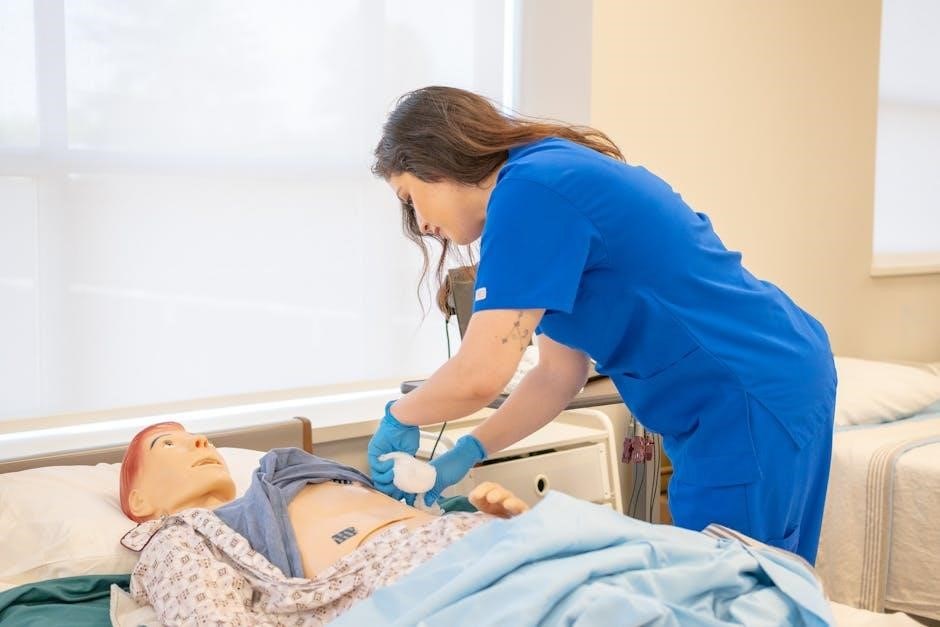
Recommended Body Mechanics Training Programs
Numerous institutions and organizations provide comprehensive body mechanics in nursing training. Many hospitals offer in-house programs‚ often incorporating elements from nationally recognized curricula. Online courses‚ frequently available as pdf downloads or interactive modules‚ provide flexible learning options for busy nurses.
Look for programs accredited by relevant nursing bodies‚ ensuring content aligns with current best practices and safety standards. These programs typically cover risk assessment‚ proper lifting techniques‚ patient transfer procedures‚ and ergonomic principles. Some focus specifically on preventing musculoskeletal disorders (MSDs)‚ a common concern in nursing.
Consider programs that offer hands-on practice and competency validation. Practical application is crucial for translating theoretical knowledge into safe and effective patient handling. Regularly updated training‚ reflecting evolving guidelines and equipment‚ is also essential for maintaining proficiency.
Relevant PDF Guides and Documents
Several readily accessible PDF guides detail body mechanics in nursing‚ offering practical advice and visual aids. The Agency for Healthcare Research and Quality (AHRQ) provides resources on safe patient handling‚ often available for download. Many healthcare systems also internally distribute PDF documents outlining their specific protocols and procedures.
These guides typically cover topics like proper posture‚ lifting techniques‚ and risk assessment. They often include illustrations demonstrating correct body positioning and movement. Search for documents from organizations like the American Nurses Association (ANA) or OSHA‚ which offer guidelines on workplace safety.
Remember to critically evaluate the source and date of any PDF guide‚ ensuring it reflects current best practices. Supplementing these guides with hands-on training is crucial for effective implementation.

Professional Organizations & Standards
Several professional organizations champion safe patient handling and body mechanics in nursing‚ often publishing relevant standards and resources‚ sometimes as downloadable PDF documents. The American Nurses Association (ANA) offers guidance on ergonomic principles and workplace safety.
OSHA (Occupational Safety and Health Administration) provides regulations and guidelines aimed at preventing musculoskeletal disorders (MSDs) in healthcare settings. These standards frequently reference proper body mechanics. The National Institute for Occupational Safety and Health (NIOSH) conducts research and offers recommendations.
Furthermore‚ organizations like the Association of Occupational Health Professionals in Healthcare (AOHP) contribute to best practices. Reviewing their publications and attending their workshops can enhance understanding. Utilizing resources from these groups ensures adherence to current‚ evidence-based standards.
0 comments on “body mechanics in nursing pdf”Add yours →