
Cheddite Reloading Manual PDF: A Comprehensive Guide
Navigating Cheddite reloading requires accessing reliable data, often found within comprehensive manuals. These PDFs detail loads for various shot types and powders,
essential for safe and effective shell reloading practices.
Understanding Cheddite Hulls
Cheddite hulls, manufactured by Fiocchi, present a unique reloading experience due to their construction and potential interchangeability with other brands. Reloaders often find themselves seeking specific data, but it’s crucial to recognize that Cheddite has, over time, applied its name to both Fiocchi and its own hulls, creating some confusion.
These hulls are known for their consistent performance and are popular among skeet and trap shooters who load in high volumes. However, finding dedicated Cheddite reloading data can be challenging. Many reloaders successfully utilize data intended for Fiocchi, Rio, or Nobel Sport hulls, as these are often compatible. Understanding the subtle variations within Cheddite hulls themselves is also important, as they aren’t always uniform. Careful examination and consistent component selection are key to achieving optimal results and maintaining safety.
History of Cheddite and Fiocchi Hull Interchangeability
Historically, the relationship between Cheddite and Fiocchi hulls has been fluid, with the “Cheddite” name being applied to hulls manufactured by both companies. This practice has led to a degree of interchangeability, allowing reloaders to often use data developed for one brand with the other. However, it’s vital to understand this historical context when seeking reloading information.
Experienced reloaders report success using Fiocchi data with Cheddite hulls, and vice versa, without significant alterations to recipes. This stems from the similar construction and dimensions of many hulls produced by both manufacturers. Despite this, caution is advised, as subtle differences can exist. The key is recognizing that data designed for Multi hulls, Rio, or Nobel Sport hulls will generally work with Cheddite, but always prioritize safety and start with conservative loads when substituting data.

Identifying Cheddite Hull Variations
Cheddite hulls aren’t monolithic; variations exist that can impact reloading data applicability. Recognizing these differences is crucial for safe and accurate load development. While interchangeability with Fiocchi hulls is common, subtle dimensional and material variations can occur between different Cheddite production runs and specific hull types.
Reloaders should carefully examine the hull headstamp for identifying marks. These markings can indicate the hull’s intended use (e.g., target, hunting) and potentially its manufacturing origin. Pay attention to the base wad seat and hull wall thickness, as these features influence internal volume and pressure dynamics. Understanding these nuances allows for informed decisions when selecting appropriate data from reloading manuals or online resources. Always prioritize data specifically for your hull type when available, and proceed cautiously when substituting.
Locating a Cheddite Reloading Manual PDF
Finding a dedicated Cheddite reloading manual in PDF format can be challenging, as they aren’t as readily available as manuals from larger manufacturers. However, several avenues exist for locating this valuable resource. Online searches using specific keywords like “Cheddite reloading manual PDF” or “Cheddite load data” can yield results, though verifying the source’s reliability is paramount.
Ballistic Products is frequently cited as a source offering comprehensive data, including Cheddite loads, within their reloading manuals. Additionally, exploring online forums dedicated to reloading often reveals shared PDFs or links to relevant resources. Remember to exercise caution when downloading files from unfamiliar sources to avoid malware. Consider purchasing a physical copy of a reloading manual from a reputable vendor for the most accurate and up-to-date information.
Challenges in Finding Specific Cheddite Data
One of the primary difficulties reloaders face is the limited availability of dedicated, comprehensive load data specifically for Cheddite hulls. Unlike Winchester or Federal, Cheddite doesn’t consistently publish extensive reloading manuals. This scarcity stems from Cheddite primarily being a component supplier, rather than a finished ammunition manufacturer focused on direct consumer data provision.
Furthermore, the historical interchangeability between Cheddite and Fiocchi hulls has led to some confusion, with data sometimes being applied across both brands without clear differentiation. This can create uncertainty for reloaders seeking precise information; The limited .410 bore data availability exacerbates the issue for those loading smaller gauges. Consequently, reloaders often rely on substituting data from similar hulls, demanding careful consideration and adherence to safety protocols.
Utilizing Fiocchi Data as a Substitute
Given the challenges in locating dedicated Cheddite load data, many reloaders successfully utilize data published for Fiocchi hulls as a viable substitute. This practice is rooted in the historical and physical interchangeability between the two brands, allowing for a reasonable degree of confidence in load replication. Alliant Powder’s online database, for example, allows selection of Fiocchi hulls to access relevant load data applicable to Cheddite.
However, it’s crucial to approach this substitution with caution. While generally safe, slight variations in hull dimensions or plastic properties could influence pressure dynamics. Therefore, starting with the lower end of the published data range and meticulously monitoring for pressure signs is paramount. Experienced reloaders often report minimal velocity differences when using Fiocchi data with Cheddite hulls, reinforcing its practicality, but responsible reloading practices remain essential.
Ballistic Products Reloading Manuals
Ballistic Products reloading manuals are frequently cited as a premier resource for Cheddite reloaders, offering a comparatively extensive collection of load data specifically tailored for this hull type. Unlike some manufacturers with limited published data, Ballistic Products dedicates significant coverage to Cheddite, addressing a wider range of powders, shot sizes, and wad combinations.
These manuals typically feature around 60 pages of reloading data, with a strong emphasis on 12-gauge loads, though .410 bore data is notably less comprehensive. The content includes detailed instructions, particularly regarding proper crimping techniques for new Cheddite hulls – a skill often highlighted as crucial for consistent performance. With approximately 40 pages dedicated to instructional material, Ballistic Products provides a solid foundation for both novice and experienced reloaders seeking reliable Cheddite-specific guidance.
Alliant Powder Load Data for Similar Hulls
When direct Cheddite load data proves elusive, Alliant Powder’s online resources offer a viable alternative. Reloaders can access a substantial database of load recipes by selecting “Fiocchi” hulls within the Alliant Powder load data search tool (http://alliantpowder.com/reloaders/RecipeList.aspx?gauge12amp;gtypeid3). This approach is based on the established interchangeability between Cheddite and Fiocchi hulls, allowing for the application of Fiocchi-specific data to Cheddite cases.
This strategy provides access to a broader spectrum of load combinations, particularly for wads compatible with Fiocchi hulls. However, it’s crucial to remember that while interchangeability exists, subtle differences between hulls may influence velocity and pressure. Careful monitoring and adherence to published maximum loads are paramount. Utilizing Alliant’s data as a starting point, combined with diligent testing, can effectively bridge the gap in dedicated Cheddite load information.
Cheddite Hull Compatibility with Other Brands
Cheddite hulls demonstrate significant compatibility with load data developed for other prominent brands, simplifying the reloading process when dedicated Cheddite information is scarce. Specifically, data intended for Multi, Rio, and Nobel Sport hulls can generally be applied to Cheddite cases with reasonable safety and accuracy. This interchangeability stems from shared hull dimensions and construction characteristics across these manufacturers.
Experienced reloaders frequently leverage this compatibility, expanding their load options beyond solely Cheddite-specific recipes. However, it’s vital to acknowledge that minor variations can exist. Consistent component selection, meticulous powder scaling, and careful crimping are essential. Always prioritize safety by starting with minimum loads and gradually working up, monitoring for pressure signs. This cross-compatibility offers a practical solution, but responsible reloading practices remain paramount when utilizing data from alternative hull brands.
Multi Hull, Rio, and Nobel Sport Hull Data Applicability
The practical application of reloading data designed for Multi, Rio, and Nobel Sport hulls to Cheddite cases is a common and often successful strategy. This stems from the close physical similarities between these hull types, allowing for a degree of interchangeability in load recipes. Reloaders often find that published data for these brands provides a solid starting point when specific Cheddite data is limited or unavailable.
However, it’s crucial to approach this substitution with caution and diligence. While generally reliable, subtle differences in base wad fit, hull wall thickness, and internal volume can influence pressure dynamics. Therefore, always begin with the starting load recommended for the donor hull and meticulously monitor for any signs of overpressure. Careful case inspection and consistent component selection are vital. Utilizing online resources like Alliant Powder’s data selector, filtering for Fiocchi hulls, can further aid in finding suitable starting points.
Safety Considerations When Substituting Data
Substituting load data from similar hulls – Fiocchi, Rio, or Nobel Sport – to Cheddite requires paramount attention to safety. Shotgun reloading, unlike rifle reloading, offers less visible pressure indication, making careful adherence to guidelines critical. Always start with the lowest published load for the donor hull and work up incrementally, observing for any signs of distress in the fired cases.
Crucially, monitor for flattened primers, difficult extraction, or case head expansion. These indicate excessive pressure and necessitate immediate cessation of load development. Remember that even minor variations in components – powder lot, shot size, wad type – can affect pressure. Consistent component selection is vital. Never exceed maximum published loads, and always consult multiple sources to cross-reference data. Prioritize safety over achieving maximum velocity; a slightly slower load is far preferable to a dangerous one.
Cheddite Steel Shot Load Data Examples
Cheddite hulls, particularly when loading steel shot, benefit from specific data points. Examples include recipes for 7/8 ounce loads, utilizing powders suitable for steel, and progressing through 1 ounce, 1 1/8 ounce, and up to 1 1/4 ounce configurations. These loads often involve careful wad selection and crimp adjustments to ensure proper gas sealing and consistent patterns.
Experienced reloaders report success with 21 loads utilizing various steel shot weights, ranging from 7/8 ounce to 1 1/4 ounce, employing appropriate powders. A 40-page instructional section within a Cheddite manual focuses heavily on proper crimping techniques for new hulls, a crucial aspect of steel load performance. Remember that steel requires larger shot volumes, demanding precise wad and powder combinations to achieve optimal velocity and pattern density. Detailed data, though sometimes scarce, is available through Ballistic Products manuals.
7/8 Ounce Steel Load Recipes
Developing 7/8 ounce steel loads for Cheddite hulls requires careful powder selection, often leaning towards faster-burning powders to achieve sufficient velocity. While specific published data for this weight in Cheddite is limited, reloaders frequently adapt data from Fiocchi, Multi-Hull, Rio, or Nobel Sport hulls, recognizing their interchangeability. These substitutions necessitate meticulous attention to wad type and column height.

Successful recipes often involve experimenting with powders commonly used in lighter steel loads, monitoring for pressure signs. A comprehensive reloading manual, like Ballistic Products, may offer starting points, but thorough testing with an Oehler chronograph is crucial. Remember that slight velocity variations are normal, but significant deviations warrant investigation. Proper crimping, especially with new Cheddite hulls, is paramount for consistent performance and safe operation. Expect around 3 loads to be viable with this weight.
1 Ounce Steel Load Recipes
Constructing 1-ounce steel loads with Cheddite hulls benefits from the broader data available for similar hulls like Fiocchi and Rio. Reloaders often utilize published data for these brands as a starting point, carefully adjusting powder charges based on chronograph readings and observed pressure signs. Faster powders are generally preferred for optimal velocity in lighter steel loads, but mid-range options can also yield excellent results.
Experimentation with different wad designs and column heights is key to fine-tuning performance. Ballistic Products manuals are valuable resources, offering a wider range of load data compared to some other publications. Remember that consistent crimping is vital, particularly with new Cheddite hulls, to ensure proper sealing and reliable ignition. Expect around 3 loads to be viable with this weight. Careful attention to detail and thorough testing are essential for safe and accurate reloading.
1 1/8 Ounce Steel Load Recipes
Developing 1 1/8 ounce steel loads for Cheddite hulls requires a balanced approach to powder selection and wad compatibility. Data for Fiocchi, Multi, Rio, and Nobel Sport hulls can serve as a reliable foundation, allowing for adjustments based on specific components and desired performance. Several recipes exist, with variations in powder type and charge weight influencing velocity and pressure. Expect around 3-6 viable loads.
Reloaders should prioritize powders designed for steel shot, ensuring complete combustion and optimal energy transfer. Careful wad selection is crucial to maintain proper column height and gas sealing. The 40-page instruction section within some manuals emphasizes proper crimping techniques for new Cheddite hulls, a critical step for consistent ignition and reduced fliers. Thorough testing and observation of pressure signs are paramount for safe and accurate reloading practices.
1 1/4 Ounce Steel Load Recipes
Formulating 1 1/4 ounce steel loads with Cheddite hulls demands meticulous attention to detail, as pressure can rise quickly with heavier payloads. Utilizing data established for comparable hulls – Fiocchi, Multi, Rio, or Nobel Sport – provides a starting point, but careful adjustments are essential. Load data resources, like Ballistic Products manuals, offer valuable insights, though 12-gauge information is significantly more prevalent than .410 bore data.
Powder choices should align with steel shot requirements, prioritizing complete combustion. The provided information suggests exploring recipes with varying powder types and charges, while closely monitoring for pressure signs. Proper crimping, particularly with new Cheddite hulls, is highlighted as a crucial step for consistent ignition. Remember, substituting data requires caution, and thorough testing is vital to ensure safe and effective performance. Expect to find limited, but viable, recipes within comprehensive reloading guides.
Powder Selection for Cheddite Hulls
Choosing the correct powder for Cheddite hulls is paramount for both performance and safety. While dedicated Cheddite manuals may offer limited data, particularly concerning specific wad heights, leveraging data from equivalent hulls – Fiocchi being a primary example – is a common practice. Alliant Powder’s online resources, allowing selection of Fiocchi hull data, provide a valuable starting point for compatible loads.
Unique powder load data appears sparsely within Cheddite manuals, often focused on lead shot applications, though potentially adaptable for plated shot. Steel shot necessitates powders designed for its density and combustion characteristics. The 40 pages of instruction within some manuals emphasize proper crimping, impacting powder column stability and consistent ignition. Remember, shotgun reloading demands caution; thorough research and adherence to established guidelines are crucial when substituting data or experimenting with powder choices.
Unique Powder Load Data in Cheddite Manuals
Accessing comprehensive Unique powder load data specifically within Cheddite reloading manuals proves challenging. Information appears limited, often confined to a few pages – notably pages 55 and 57 in the 5th edition Lyman manual referenced alongside Cheddite data. These loads typically focus on lead shot configurations, raising questions about direct applicability to plated shot without careful consideration.
Notably, the available Unique data may not align with optimal wad heights for modern components. Reloaders should exercise caution when adapting these older recipes, prioritizing safety and verifying pressures. While potentially usable as a baseline, thorough testing and cross-referencing with data from similar hulls (Fiocchi, Multi-Hull) are strongly recommended. The scarcity of detailed Unique data underscores the need for resourceful data gathering and a cautious approach to reloading with Cheddite hulls.
Lead vs. Plated Shot Considerations

When utilizing Cheddite reloading data, a critical distinction exists between lead and plated shot loads. Older manuals, like the referenced Cheddite manual and Lyman’s 5th edition, frequently feature recipes designed specifically for lead shot. Adapting these loads for plated shot necessitates careful adjustments due to differences in shot density and hardness.
Plated shot generally requires slightly reduced powder charges compared to lead to maintain safe pressure levels. Direct substitution without reduction can lead to overpressure situations. Reloaders must consult updated data sources or perform pressure testing when transitioning from lead to plated shot. Furthermore, wad selection plays a crucial role, ensuring proper cushioning and sealing for the chosen shot material. Prioritizing safety through informed adjustments is paramount when deviating from published load data.
Wad Selection and Height Adjustment
Optimal wad selection is intrinsically linked to successful Cheddite reloading, directly impacting both performance and safety. The provided information highlights the importance of aligning wad choice with the specific hull and powder combination. Utilizing Alliant Powder’s data, accessible through their online recipe list, allows reloaders to identify compatible wads for Fiocchi hulls – a viable substitute given the interchangeability with Cheddite.
Beyond selection, precise wad height adjustment is crucial. Variations in wad height can significantly alter internal ballistics, influencing pressure and velocity. The Ballistic Products reloading manual, noted for its comprehensive data, likely provides guidance on optimal wad positioning. Careful attention to these details ensures consistent and reliable shell performance, minimizing the risk of malfunctions or unsafe pressure levels. Proper wad seating is a cornerstone of accurate reloading.
Cheddite Hull Crimping Techniques
Achieving a consistent and secure crimp is paramount when reloading Cheddite hulls, directly impacting shot containment and consistent ignition. The referenced reloading manual dedicates approximately 40 pages to instruction, with specific emphasis on properly crimping new Cheddite hulls – a noted learning point for many reloaders. This suggests a unique characteristic of new hulls requiring specific technique.
Effective crimping ensures a tight seal, preventing gas leakage and maintaining optimal pressure during firing. The manual details fold crimping techniques, particularly relevant for steel shot loads. Mastering this skill is vital, as inconsistent crimps can lead to reduced velocity, erratic patterns, and potentially dangerous situations. Reloaders should prioritize learning and practicing proper crimping procedures, referencing the manual’s guidance for best results and safe reloading practices.
Proper Crimping for New Cheddite Hulls
New Cheddite hulls present a unique crimping challenge, frequently highlighted in reloading resources. The manual specifically addresses this, dedicating significant instructional space – around 40 pages – to mastering the technique. This suggests the plastic is initially firmer, requiring more deliberate effort to achieve a consistent, reliable fold crimp.
Reloaders often find that new hulls necessitate a slightly different approach compared to those that have been reloaded previously. Achieving the correct crimp depth and uniformity is crucial for safe and effective ammunition. The manual likely details adjustments to crimping tools or techniques to accommodate the hull’s initial rigidity. Consistent practice, guided by the manual’s instructions, is key to developing proficiency and ensuring optimal performance with new Cheddite hulls, preventing gas leaks and maintaining proper pressure.
Manual Page Count and Content Overview
The Cheddite reloading manual, a valuable resource for shotgun shell reloaders, typically spans approximately 100 pages, divided between instructional material and specific load data. Roughly 40 pages are dedicated to detailed guidance on reloading techniques, with a notable emphasis on mastering the proper crimping procedure for brand-new Cheddite hulls – a common point of difficulty for reloaders.
The remaining 60 pages are devoted to reloading data, offering a range of recipes for various shot weights, powders, and wad combinations. However, the manual exhibits a clear focus on 12-gauge loads, providing extensive data for this popular gauge. Conversely, information pertaining to the .410 bore is considerably more limited, potentially disappointing reloaders specifically seeking data for this smaller gauge. Despite this imbalance, the manual remains a comprehensive guide for those working primarily with 12-gauge Cheddite hulls.
Focus on 12 Gauge Data
A prominent characteristic of the Cheddite reloading manual is its substantial concentration on 12-gauge load data. The majority of the 60 pages dedicated to reloading recipes are specifically tailored for the 12-gauge shotgun, offering a wide array of combinations for various shooting disciplines like skeet and trap. This includes detailed load data for different shot weights – ranging from 7/8 ounce to 1 1/4 ounce – utilizing steel shot and, to a lesser extent, lead or plated shot.
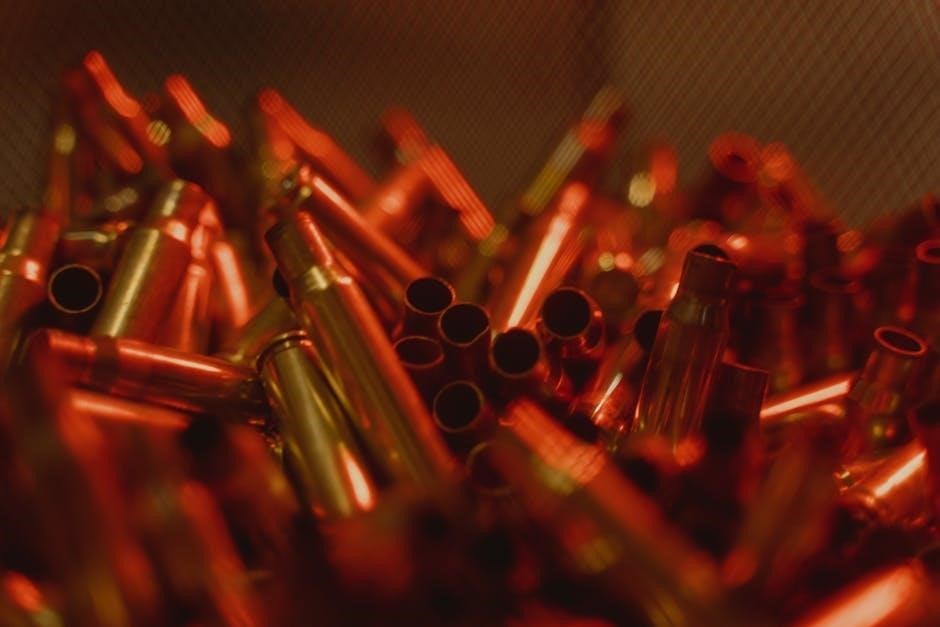
Reloaders will find extensive information regarding powder selection and corresponding wad recommendations for optimal performance with 12-gauge Cheddite hulls. The manual provides recipes utilizing powders like Unique, alongside data applicable to hulls from similar manufacturers like Fiocchi, Rio, and Nobel Sport. While this focus benefits 12-gauge shooters, it’s crucial to acknowledge the limited data available for other gauges, particularly the .410 bore, making it less useful for those specializing in smaller shotguns.

Limited .410 Bore Data Availability
A significant drawback noted by reloaders is the scarcity of load data specifically for the .410 bore within the Cheddite reloading manual. Despite the manual containing approximately 60 pages of reloading data, the information dedicated to .410 shells is notably limited, causing disappointment for those who primarily load this smaller gauge. This lack of comprehensive data presents a challenge for .410 shooters seeking to utilize Cheddite hulls for their reloads.
Users have reported thumbing through the manual and finding only a few recipes, primarily focusing on lead shot loads, and even those may not align with desired wad heights. While some Unique powder loads are present on pages 55 and 57, their applicability is restricted. This limited scope necessitates .410 reloaders to seek alternative data sources or consider hulls from manufacturers with more readily available .410-specific load information, hindering the full potential of Cheddite hulls for this gauge.
0 comments on “cheddite reloading manual pdf”Add yours →