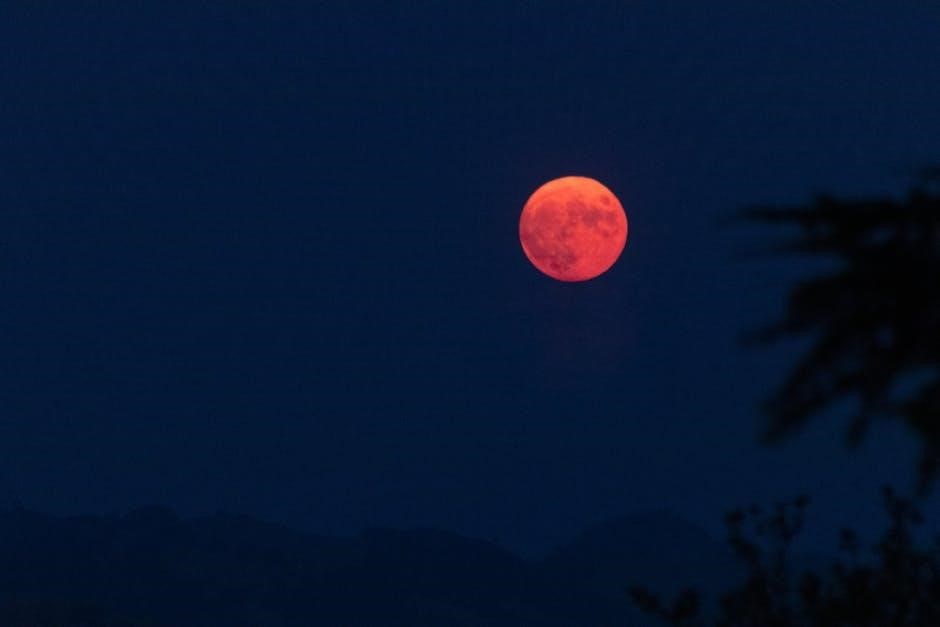
Red Moon Guide: Understanding Lunar Eclipses & Their Impact (2026)
Delve into the captivating world of lunar eclipses in 2026! This guide explores the astronomical and astrological significance of these ‘Red Moons’, offering insights into their potent cosmic effects.
What is a Red Moon?
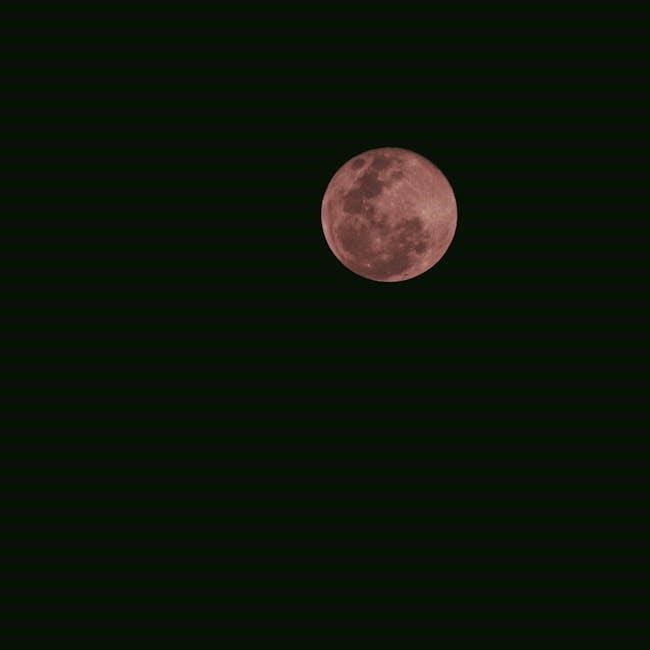
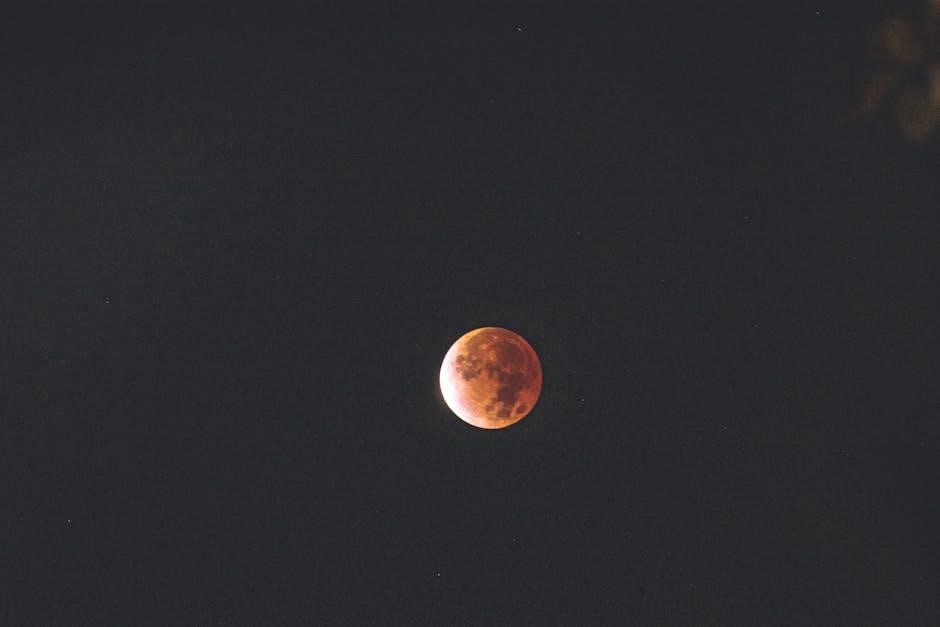
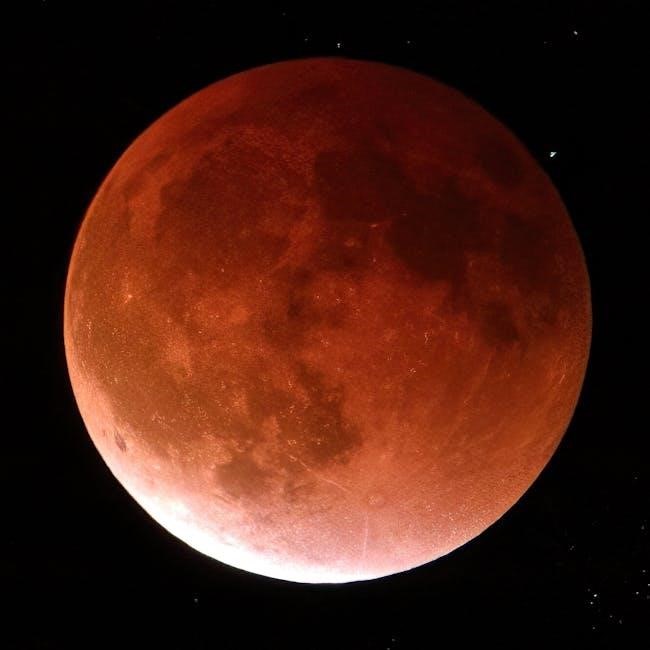
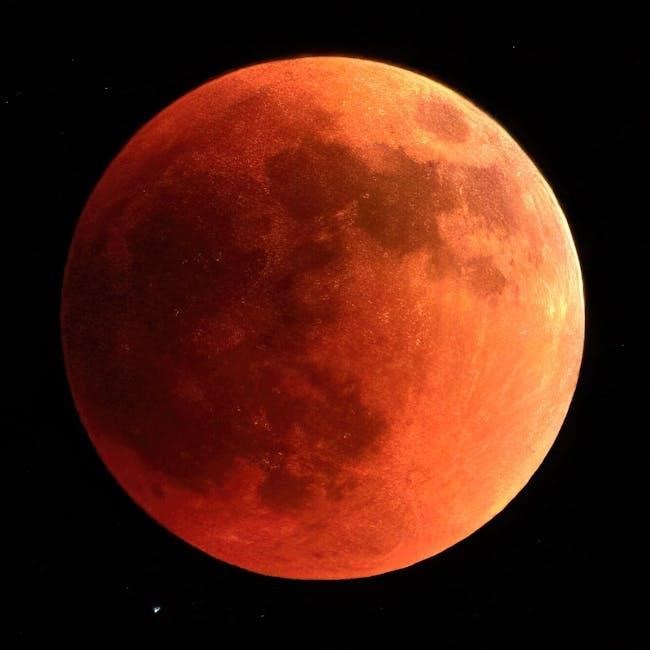
A “Red Moon,” popularly known as a blood moon, isn’t a separate lunar event but rather a total lunar eclipse viewed from Earth. During this spectacular celestial display, the Moon doesn’t vanish into darkness; instead, it transforms into a mesmerizing reddish hue. This captivating phenomenon occurs when the Earth positions itself directly between the Sun and the Moon, casting a shadow upon the lunar surface.
However, complete darkness is averted because of Earth’s atmosphere. Sunlight is refracted, or bent, through our atmosphere, and the shorter wavelengths of light – blues and violets – are scattered away. Longer wavelengths, like reds and oranges, are able to pass through and are projected onto the Moon, giving it that characteristic reddish glow. The intensity of the red color can vary depending on atmospheric conditions.
In Vedic astrology, this event is called Chandra Grahan, and it’s considered a powerful, though potentially disruptive, cosmic occurrence. Understanding the Red Moon’s nature is key to navigating its energies effectively.
The Science Behind the Red Hue
The striking reddish color observed during a total lunar eclipse isn’t due to the Moon itself changing, but a fascinating interplay of light and Earth’s atmosphere. As the Moon passes into Earth’s umbra – the darkest part of our shadow – direct sunlight is blocked. However, some sunlight still reaches the lunar surface, but it’s been filtered through our planet’s gaseous envelope.
This process, known as Rayleigh scattering, is the same reason sunsets appear red. Shorter wavelengths of light (blue and violet) are scattered away by the atmospheric particles, while longer wavelengths (red and orange) are bent, or refracted, towards the Moon. The amount of dust and clouds in Earth’s atmosphere significantly impacts the shade of red; more particles lead to a deeper, richer color.
Essentially, the Moon is bathed in a reddish glow created by all the sunrises and sunsets happening simultaneously around the Earth. This atmospheric lens transforms a potentially dark event into a breathtaking spectacle.
Types of Lunar Eclipses
Lunar eclipses aren’t all created equal! They fall into three primary categories, each offering a unique visual experience. The most dramatic is a Total Lunar Eclipse, where the entire Moon passes into Earth’s umbra, resulting in the characteristic ‘Red Moon’ appearance. These are relatively rare and highly anticipated events.
A Partial Lunar Eclipse occurs when only a portion of the Moon enters the umbra. You’ll observe a dark shadow gradually covering part of the lunar surface, creating a striking contrast. These are more frequent than total eclipses.
Finally, a Penumbral Lunar Eclipse is the most subtle. The Moon passes through Earth’s penumbra – the outer, lighter part of the shadow. This results in a slight dimming of the lunar surface, often difficult to notice without careful observation. While technically an eclipse, the visual effect is minimal.
Total Lunar Eclipse
A Total Lunar Eclipse is a breathtaking celestial event, often called a ‘Blood Moon’ due to the reddish hue the Moon takes on. This occurs when the Earth passes directly between the Sun and Moon, casting a complete shadow – the umbra – upon the lunar surface. But why red? Sunlight is refracted, or bent, through Earth’s atmosphere, filtering out most colors except red and orange, which then illuminate the Moon.
The intensity of the red color varies depending on atmospheric conditions. More dust or clouds in Earth’s atmosphere lead to a deeper, richer red. Total lunar eclipses are safe to view with the naked eye, unlike solar eclipses. They can last for several hours, offering ample opportunity for observation and photography. These eclipses hold significant cultural and astrological importance across various traditions.
Partial Lunar Eclipse
A Partial Lunar Eclipse happens when only a portion of the Moon passes through Earth’s umbral shadow. Unlike a total eclipse, the Moon doesn’t turn a dramatic red color across its entire surface. Instead, you’ll observe a dark shadow gradually covering a part of the Moon, creating a visually striking contrast between the shadowed and illuminated areas.
The shape of the shadow is always circular, a testament to Earth’s spherical form. The extent of the partial eclipse – how much of the Moon is covered – depends on the alignment of the Sun, Earth, and Moon. Partial eclipses are also safe to view without special eye protection and can be quite beautiful, offering a subtle yet captivating celestial display. They are often precursors or follow-ups to total lunar eclipses, occurring when the Moon grazes the edge of the Earth’s shadow.
Penumbral Lunar Eclipse
A Penumbral Lunar Eclipse is the most subtle type of lunar eclipse, often difficult to discern with the naked eye. It occurs when the Moon passes through Earth’s penumbral shadow – the outer, fainter part of the shadow. Unlike total or partial eclipses, the Moon doesn’t appear dramatically darkened or red. Instead, a slight dimming of the lunar surface may be noticeable, resembling a subtle shading.
Because the penumbral shadow is so faint, many penumbral eclipses go largely unnoticed. Experienced observers might detect a slight darkening, particularly near the edge of the Moon. These eclipses are entirely safe to view without any special eye protection. While not as visually spectacular as other types, penumbral eclipses are still significant astronomical events, marking a unique alignment of the Sun, Earth, and Moon, and holding subtle energetic influences.
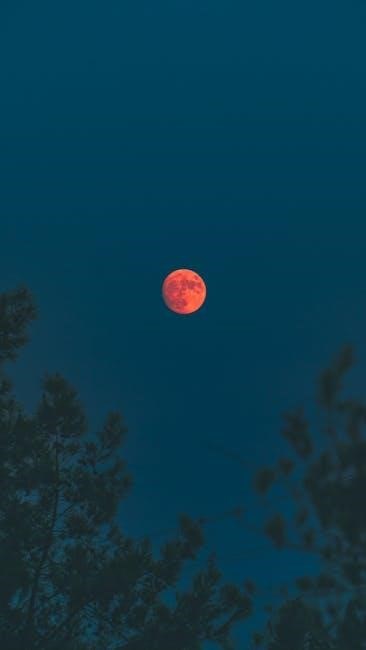
Red Moon in 2026: Key Dates & Visibility
Mark your calendars for 2026’s lunar spectacles! We’ll detail the dates of both a total and partial lunar eclipse, alongside visibility information for optimal viewing.
March 25, 2026: Total Lunar Eclipse
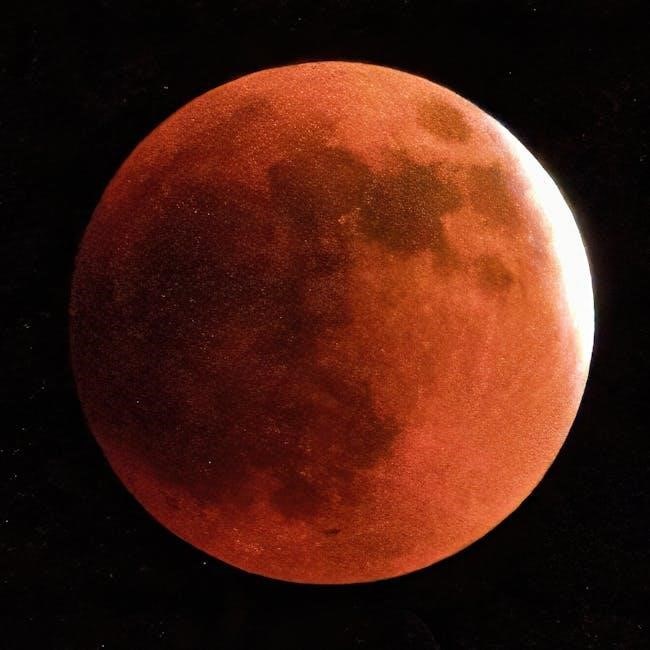
Prepare for a spectacular celestial display on March 25, 2026! This date will witness a total lunar eclipse, often called a ‘Blood Moon’ due to the reddish hue the Moon takes on during totality. This occurs as the Earth passes directly between the Sun and Moon, casting a shadow upon the lunar surface.
During a total lunar eclipse, the Moon doesn’t disappear entirely. Instead, sunlight is refracted through Earth’s atmosphere, filtering out most of the blue light and allowing the red wavelengths to reach the Moon. The intensity of the red color can vary depending on atmospheric conditions – dust, clouds, and pollution can all play a role.
This eclipse will be a significant event for both astronomers and astrology enthusiasts. It’s a powerful time for reflection and release, as the eclipse energy amplifies emotions and brings hidden truths to the surface. Observers in North and South America, as well as parts of Europe and Africa, will have the best viewing opportunities, weather permitting. Detailed visibility maps will be provided to help you pinpoint the best location for viewing this breathtaking event.
September 21, 2026: Partial Lunar Eclipse
Mark your calendars for September 21, 2026, as a partial lunar eclipse graces the night sky! Unlike a total eclipse, a partial eclipse occurs when only a portion of the Moon passes through Earth’s umbral shadow – the darkest part of the shadow. This results in a noticeable darkening of a section of the lunar surface, creating a dramatic visual effect.
During this eclipse, observers will witness a portion of the Moon appearing a dark reddish-brown, while the remaining part remains brightly lit. The extent of the partial eclipse, and therefore the amount of the Moon covered by the shadow, will vary depending on your location. This event offers a unique opportunity to observe the interplay of light and shadow on the lunar landscape.
While perhaps less dramatic than a total eclipse, a partial lunar eclipse still carries significant energetic weight. It’s a time for releasing what no longer serves you and making space for new beginnings. Visibility will be optimal for viewers in Asia, Australia, and parts of North America. Specific viewing details and maps will be available closer to the event date.
Visibility Maps for 2026 Eclipses
Determining where and when you can witness the 2026 lunar eclipses is crucial for optimal viewing! Visibility is heavily dependent on your geographical location and the time of the eclipse. Detailed visibility maps, available from astronomical websites like TimeandDate.com and NASA’s eclipse pages, illustrate the regions where each eclipse will be partially or fully visible.
For the March 25th total lunar eclipse, North and South America, along with parts of Europe and Africa, will have prime viewing opportunities. The September 21st partial eclipse will be most visible across Asia, Australia, and western parts of North America. These maps showcase the percentage of the Moon obscured by the Earth’s shadow from different locations.
Remember to check these maps closer to the eclipse dates for precise timings and visibility details specific to your city or region. Factors like cloud cover can also impact viewing, so clear skies are essential. Utilize online resources to find local eclipse viewing events or plan your own viewing experience!
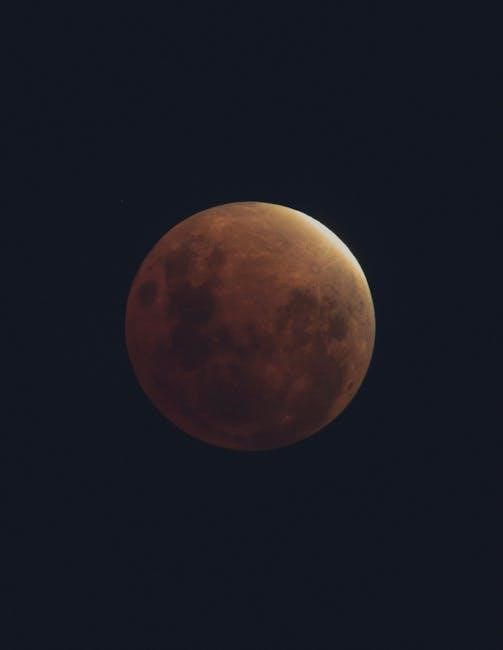
Astrological Significance of Red Moons
Red Moons hold deep astrological meaning, particularly in Vedic traditions as ‘Chandra Grahan’. They represent potent cosmic shifts impacting emotions, intuition, and inner transformation.
Red Moon in Vedic Astrology (Chandra Grahan)
In Vedic astrology, a lunar eclipse, known as Chandra Grahan, is considered a powerfully inauspicious event. Unlike solar eclipses, which are believed to be more externally disruptive, lunar eclipses deeply affect the inner world – our minds, emotions, and subconscious patterns. The eclipse occurs when the Earth passes between the Sun and the Moon, casting a shadow on the Moon and obscuring its light.
Traditionally, it’s believed that the Moon’s energy is weakened during a Chandra Grahan, making individuals more susceptible to negative energies and emotional imbalances. This period is seen as a time when dormant karmas can surface, and old wounds may be triggered. It’s not a time for initiating new ventures or making significant decisions, as the energy is considered unstable and prone to setbacks.
However, a Chandra Grahan isn’t solely negative. It presents a potent opportunity for deep introspection, releasing emotional baggage, and spiritual purification. The obscured lunar light symbolizes the unveiling of hidden truths and the potential for profound inner transformation. Specific rituals and practices are recommended to mitigate the negative effects and harness the eclipse’s energy for positive change, focusing on cleansing and strengthening one’s inner resilience.
Impact on Zodiac Signs – General Overview
The influence of a Red Moon, or lunar eclipse, isn’t uniform across all zodiac signs. Its impact is deeply personal, depending on where the eclipse falls in your birth chart. However, some general tendencies can be observed. Cardinal signs (Aries, Cancer, Libra, Capricorn) often experience a stronger push for change and initiation, potentially leading to breakthroughs or challenges in leadership roles and personal foundations.
Fixed signs (Taurus, Leo, Scorpio, Aquarius) may feel a heightened sense of emotional intensity and a need to solidify their boundaries. This can manifest as stubbornness or a strong desire for stability. Mutable signs (Gemini, Virgo, Sagittarius, Pisces) are often more adaptable during eclipses, but may experience increased mental restlessness and a need to reassess their beliefs and communication styles.
Ultimately, the eclipse serves as a catalyst for growth, prompting each sign to confront areas of life requiring attention. It’s a time to release what no longer serves you and embrace the potential for transformation, aligning with your authentic self. Paying attention to your emotional responses and intuitive guidance is crucial during this period.
Aries & Scorpio
For Aries, a Red Moon often ignites a powerful need for self-assertion and new beginnings. This eclipse can trigger impulsive decisions, so mindful action is key. It’s a time to reassess personal goals and courageously pursue passions, but avoid reckless behavior. Relationships may face tests, demanding honest communication and a willingness to compromise.
Scorpio, being Aries’s opposite sign, experiences a more internal and transformative process. The eclipse illuminates hidden emotions and shadows, prompting deep introspection; This is an excellent time for releasing past traumas and embracing vulnerability. Financial matters and shared resources may come into focus, requiring careful consideration.
Both signs may feel a heightened sense of emotional intensity. Aries should focus on channeling energy constructively, while Scorpio should prioritize self-care and emotional processing. This eclipse encourages both to embrace authenticity and navigate challenges with resilience, fostering profound personal growth and a renewed sense of purpose.
Taurus & Libra
For Taurus, a Red Moon often brings attention to routines, daily habits, and overall well-being. This eclipse can disrupt established patterns, prompting a re-evaluation of self-care practices and work-life balance. It’s a potent time to cultivate healthier habits and prioritize physical and emotional nourishment. Unexpected changes in the workplace may arise, requiring adaptability and a pragmatic approach.
Libra, as Taurus’s opposing sign, experiences a focus on close relationships and partnerships. The eclipse illuminates dynamics within significant connections, revealing areas needing attention and compromise. It’s a time for honest conversations, setting healthy boundaries, and fostering mutual respect. Legal matters or contractual agreements may also come to the forefront.
Both signs may feel a pull between comfort and change. Taurus should embrace flexibility, while Libra should prioritize self-advocacy. This eclipse encourages both to cultivate harmony, both internally and in their relationships, leading to greater stability and a deeper sense of fulfillment.
Gemini & Sagittarius
Gemini individuals may find a Red Moon activating their sector of hidden emotions and subconscious patterns. This eclipse encourages introspection, urging you to confront unresolved feelings and explore the depths of your inner world. Dreams may be particularly vivid, offering valuable insights into your motivations and fears. It’s a time for journaling, therapy, or any practice that facilitates self-discovery.
Sagittarius, opposing Gemini, experiences a spotlight on social circles, friendships, and future aspirations. The eclipse can bring shifts in group dynamics, potentially leading to new connections or the dissolving of old ones. It’s a time to assess your long-term goals and ensure they align with your authentic self. Networking opportunities may arise, but discernment is key.
Both signs are encouraged to embrace vulnerability. Gemini should allow themselves to feel, while Sagittarius should focus on building genuine connections. This eclipse fosters growth through self-awareness and a willingness to step outside of comfort zones, ultimately leading to greater emotional freedom and purpose.
Cancer & Capricorn
For Cancer individuals, a Red Moon illuminates the area of career and public image. This eclipse can trigger significant shifts in your professional life, potentially leading to new opportunities, recognition, or even unexpected changes in direction. It’s a powerful time to reassess your ambitions and ensure your work aligns with your values. Be prepared to step into a leadership role or take on greater responsibility.
Capricorn, in opposition to Cancer, experiences a focus on relationships and partnerships. The eclipse can bring pivotal moments in your close connections, prompting deeper commitment, necessary separations, or a re-evaluation of your needs within those bonds. It’s a time for honest communication and setting healthy boundaries.
Both signs are called to balance personal and public life. Cancer should maintain authenticity while pursuing career goals, and Capricorn should prioritize self-care amidst relationship dynamics. This eclipse encourages growth through embracing change and fostering genuine connections, leading to greater fulfillment in both realms.
Leo & Aquarius
Leos, a Red Moon casts its light upon your realm of higher learning, travel, and philosophical pursuits. This eclipse encourages you to expand your horizons, potentially through educational endeavors, long-distance journeys, or a deeper exploration of your beliefs. It’s an excellent time to challenge your perspectives and embrace new knowledge, fostering personal and spiritual growth. Opportunities for publishing or sharing your wisdom may also arise.
Aquarius individuals find the eclipse highlighting themes of shared resources, intimacy, and transformation. This can bring significant shifts in financial matters, joint ventures, or your closest relationships. It’s a period for confronting hidden truths, releasing what no longer serves you, and embracing vulnerability. Expect profound emotional experiences that catalyze personal evolution.
Both signs are urged to embrace change and step outside their comfort zones. Leo should ground newfound knowledge with practical application, while Aquarius should navigate emotional depths with courage and self-compassion. This eclipse promises powerful transformations for both.
Virgo & Pisces
For Virgos, a Red Moon illuminates your sector of partnerships, both romantic and business. This eclipse signals a time of significant shifts in your close relationships, demanding honest communication and a willingness to compromise. Existing bonds may deepen, while others could reach a natural conclusion. It’s a potent period for defining your needs and boundaries within partnerships, fostering healthier dynamics. Legal matters involving collaborations may also come to the forefront.
Pisces individuals experience the eclipse impacting their daily routines, work environment, and overall health. This is a time to reassess your habits, prioritize self-care, and make necessary adjustments to improve your well-being. Opportunities for enhancing your work-life balance may present themselves. Pay attention to your physical and mental health, addressing any underlying issues.
Both signs are encouraged to embrace collaboration and prioritize self-care. Virgo should focus on building equitable partnerships, while Pisces should cultivate mindful routines. This eclipse offers a chance for profound personal and professional alignment.
Rituals & Practices During a Red Moon
Embrace the potent energy of a Red Moon with intentional practices! Explore cleansing rituals, meditation, and mindful techniques to harness its transformative power for personal growth.
Do’s and Don’ts During a Lunar Eclipse
Navigating the energies of a Chandra Grahan (lunar eclipse) requires mindful awareness. Traditionally, Vedic astrology suggests minimizing physical activity during the peak of the eclipse. Avoid initiating new projects or making significant decisions, as the energy is considered unstable and prone to obstacles.
It’s advised to refrain from cooking or consuming food during the eclipse period. Food prepared during this time is believed to be energetically affected. Focus instead on light, easily digestible meals before the eclipse begins. Avoid unnecessary travel and maintain a calm, introspective state.
However, a lunar eclipse is an excellent time for spiritual practices! Deepen your meditation, engage in prayer, or practice mindfulness. Cleansing rituals, such as smudging with sage or salt baths, are highly beneficial for releasing negative energy. Journaling and self-reflection are also encouraged to process emotions and gain clarity. Prioritize rest and allow yourself to receive the eclipse’s transformative energies.
Meditation & Mindfulness Techniques
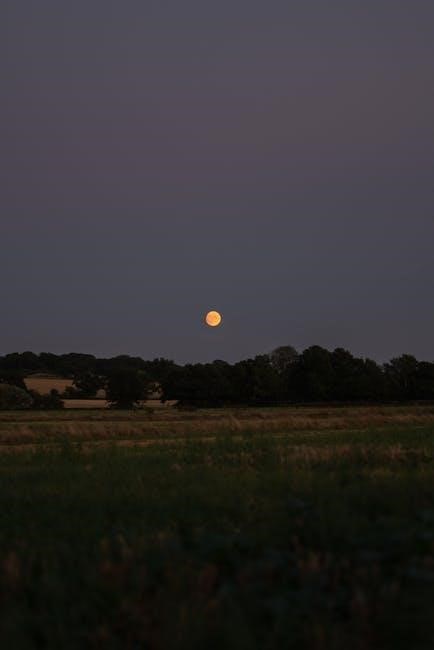
A Red Moon presents a powerful opportunity for inner work. Utilize meditation to connect with your intuition and release emotional blockages. Begin with a comfortable seated position, close your eyes, and focus on your breath. Visualize the moon’s red glow enveloping you, dissolving negativity and promoting healing.
Mindfulness practices can ground you during the eclipse’s intense energy. Engage in mindful walking, paying attention to each step and sensation. Practice mindful eating, savoring each bite and appreciating the nourishment. Body scan meditations are also effective, bringing awareness to different parts of your body and releasing tension.
Consider a guided meditation specifically designed for lunar eclipses. These often incorporate visualizations of releasing old patterns and embracing new beginnings. Affirmations focused on self-love, forgiveness, and transformation can amplify the eclipse’s positive effects. Remember to create a sacred space, free from distractions, to fully immerse yourself in the practice and harness the Red Moon’s potent energy.
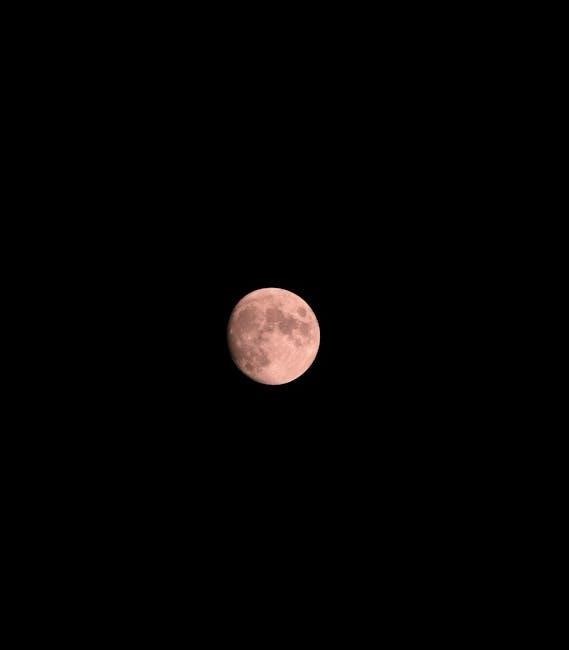
Cleansing Rituals for Energy Purification
The Red Moon’s energy intensifies the need for energetic cleansing. Smudging with sage, palo santo, or cedar can clear negative energies from your aura and living space. Visualize the smoke carrying away stagnant emotions and unwanted influences, creating a protective shield.
Salt baths are incredibly effective for purification. Add Epsom salts, sea salt, and a few drops of essential oils (lavender, rosemary, or frankincense) to warm bathwater. Soak for at least 20 minutes, visualizing the water drawing out toxins and negativity.
Sound healing, using singing bowls or chimes, can break up energetic blockages. The vibrations help to restore harmony and balance within your energy field. Journaling is also a powerful tool; write down what you wish to release during the eclipse. Finally, consider a crystal grid using cleansing stones like selenite or clear quartz to amplify the purification process and welcome positive energy.
0 comments on “red moon guide”Add yours →