
Spy Pen Instructions: A Comprehensive Guide
Welcome! This guide provides detailed instructions for operating your new spy pen. Learn to effectively utilize its features for discreet recording and capture vital moments with ease and confidence.
Spy pens‚ also known as covert recording pens‚ represent a fascinating intersection of everyday objects and advanced technology. They are ingeniously designed to appear as fully functional writing instruments while secretly housing a high-definition camera and audio recorder. This discreet nature makes them incredibly valuable tools in a variety of situations where unobtrusive surveillance is required.
The appeal of spy pens lies in their ability to blend seamlessly into any environment. Unlike bulky or obvious recording devices‚ a spy pen doesn’t draw attention to itself‚ allowing you to capture footage without alerting those around you. This is particularly useful for gathering evidence‚ documenting events‚ or simply preserving memories in a subtle and natural way.
However‚ it’s crucial to understand that the use of spy pens is subject to legal regulations. Always familiarize yourself with the laws regarding audio and video recording in your jurisdiction before operating a spy pen. Responsible and ethical use is paramount. This guide will not only detail how to use your spy pen‚ but also emphasize the importance of legal compliance and respecting privacy.
This comprehensive guide will walk you through every aspect of your spy pen‚ from initial setup and operation to troubleshooting common issues. We aim to empower you with the knowledge to confidently and effectively utilize this powerful tool.
What is a Spy Pen?
A spy pen is a cleverly disguised electronic device that looks and functions like a standard ballpoint pen‚ but secretly incorporates a miniature camera and microphone. These components work together to record both video and audio‚ offering a discreet method for surveillance or documentation. The technology allows for capturing footage without drawing unwanted attention‚ making it ideal for situations where subtlety is key.
Unlike traditional video cameras‚ spy pens are designed for concealment. The camera lens is often subtly integrated into the pen’s clip or body‚ while the recording controls are typically disguised as ordinary pen features. This allows the user to operate the device without raising suspicion.
Modern spy pens often include internal storage‚ such as a microSD card‚ to save recorded files. They are typically powered by a rechargeable battery and can be easily connected to a computer via USB for file transfer. Many models also offer features like adjustable video resolution‚ time and date stamping‚ and loop recording.
Essentially‚ a spy pen is a portable‚ self-contained recording system hidden within a familiar object. It’s a tool that combines convenience with covert functionality‚ offering a unique solution for various recording needs.
Common Uses for Spy Pens
Spy pens serve a diverse range of purposes‚ often centered around discreet documentation and security. A frequent application is in investigative work‚ allowing private investigators to gather evidence without alerting subjects. Similarly‚ journalists can utilize them for undercover reporting‚ capturing footage in sensitive environments.
For personal security‚ a spy pen can provide peace of mind. Individuals may use them to record interactions with strangers or document potential harassment situations. Business owners might employ them to monitor employee activity or investigate internal theft‚ ensuring a safe and productive work environment.
Another common use is evidence gathering for legal purposes. Recording conversations or events can provide crucial support in disputes or legal proceedings. Students sometimes use them to record lectures (with permission‚ where required)‚ aiding in note-taking and review.
However‚ it’s crucial to remember that recording laws vary significantly by location. Always be aware of and comply with local regulations regarding audio and video recording to avoid legal repercussions. Responsible and ethical use is paramount when operating a spy pen.
Understanding Your Spy Pen Components
Familiarizing yourself with the various parts of your spy pen is essential for optimal operation. The pen body & casing typically houses all internal components‚ designed to resemble a standard writing instrument for discreet use. Locate the camera lens – often subtly integrated into the pen clip or near the pen tip – which captures video and images.
The recording button & indicators are crucial for controlling the device. A small button initiates recording‚ while LED indicators signal power status‚ recording activity‚ and battery level. Pay attention to these lights for real-time feedback.
The charging port & battery access are usually found at the base of the pen or concealed within the casing. This port‚ typically micro-USB‚ connects to a power source for recharging the internal battery. Some models allow battery replacement‚ while others feature built-in‚ non-removable batteries.
Understanding the function of each component ensures you can effectively operate your spy pen and troubleshoot any potential issues. Refer to the diagrams included in your packaging for specific component locations on your model.
Pen Body & Casing
The pen body and casing are meticulously designed to mimic a functional writing instrument‚ ensuring discreet operation. Typically constructed from durable materials like metal alloys or high-quality plastics‚ the casing protects the sensitive internal electronics from damage and maintains a realistic appearance.
Consider the weight and balance; a well-designed spy pen should feel comfortable and natural in your hand‚ just like a regular pen. Examine the finish – a smooth‚ consistent texture contributes to its believability. Pay attention to the pen clip‚ often concealing the camera lens‚ and ensure it’s securely attached.
The casing also houses the battery‚ memory card slot‚ and control buttons. Access to these components may be hidden behind rotating sections or subtle panels. Inspect the casing for any visible seams or imperfections that might reveal its true nature.
Quality construction is paramount. A robust casing not only protects the device but also enhances its longevity; Regularly inspect the casing for any signs of wear and tear‚ and handle with care to preserve its discreet functionality.
Camera Lens Location
Identifying the camera lens is crucial for proper operation. It’s typically subtly integrated into the pen’s design‚ often disguised as part of the pen clip or near the writing tip. Look for a tiny pinhole opening – this is usually the lens.
The lens placement is strategically chosen to provide a natural recording angle when the pen is held in a writing position. Some models feature a slightly recessed lens to further minimize visibility. Carefully examine the pen clip; it may rotate or slide to reveal the lens when needed.
Avoid obstructing the lens during recording. Ensure your fingers or hand don’t cover the opening‚ as this will result in a blurred or completely black video. Practice holding the pen naturally to confirm a clear line of sight for the camera.
Lens quality varies between models. Higher-quality lenses produce sharper‚ more detailed video. Gently clean the lens with a soft‚ lint-free cloth if necessary‚ avoiding harsh chemicals or abrasive materials. Knowing the exact location ensures optimal recording performance.
Recording Button & Indicators
Locating the recording button is essential for initiating and stopping video or photo capture. It’s usually a small‚ discreet button integrated into the pen’s body‚ often near the clip or along the barrel. Refer to your specific model’s diagram for its precise location.
Understanding the indicators is equally important. Most spy pens utilize LED lights to signal recording status. A steady light typically indicates active recording‚ while a blinking light may signify standby mode or low battery. Some models use different colored lights for video and photo modes.
Button operation usually involves a short press to start recording and another short press to stop. A long press might activate photo mode. Consult your manual for the exact button sequence for your pen. Pay attention to the indicator lights to confirm the desired mode is engaged.
Indicator light patterns can also signal errors‚ such as a full memory card. Familiarize yourself with these patterns to quickly troubleshoot any issues during operation. Proper use of the button and understanding the indicators ensure successful recordings.
Charging Port & Battery Access
Identifying the charging port is crucial for maintaining your spy pen’s functionality. Typically‚ it’s a micro-USB or USB-C port‚ often concealed beneath a small rubber flap on the pen’s body. Locate this port before attempting to charge the device.
Battery access varies between models. Some pens have a built-in‚ non-removable battery requiring external charging‚ while others feature a removable battery compartment. If your pen has a removable battery‚ carefully follow the instructions in your manual to access and replace it.
Charging procedures generally involve connecting the pen to a USB power source using the provided cable. The indicator light will usually change color to signify charging status – often red while charging and blue or green when fully charged.
Important considerations include using a compatible charger and avoiding overcharging‚ which can damage the battery. Always ensure the charging port is clean and free of debris before connecting the cable. Proper battery care extends the lifespan of your spy pen.
Initial Setup & Charging
Before first use‚ it’s essential to fully charge your spy pen. This ensures optimal performance and accurate battery level readings. Locate the charging port‚ typically a micro-USB or USB-C‚ often hidden under a protective flap.
Connect the provided USB cable to the pen and a suitable power source – a computer USB port or a USB wall adapter. Observe the indicator light; it usually illuminates red during charging. Allow the pen to charge uninterrupted for the recommended duration‚ typically 2-3 hours‚ even if the light turns green sooner.
While charging‚ take the opportunity to insert and format the memory card (refer to the ‘Formatting the Memory Card’ section for detailed instructions). This prepares the pen for storing your recordings.
Once fully charged‚ disconnect the pen and power it on. Setting the correct date and time is crucial for accurate file timestamps (see ‘Setting the Date & Time’). Your spy pen is now ready for operation!
First-Time Charging Procedure
Upon unboxing your spy pen‚ the very first step is a complete charge. This initial charge is vital for calibrating the battery and maximizing its lifespan. Locate the charging port – it’s usually a micro-USB or USB-C‚ discreetly positioned on the pen’s body.
Using the included USB cable‚ connect the pen to a powered USB port on your computer or a USB wall adapter. A red indicator light will typically illuminate‚ signaling that charging has commenced. Resist the urge to interrupt the charging process prematurely.
Allow the pen to charge continuously for a minimum of 3 hours‚ and ideally until the indicator light changes to green (or as specified in your pen’s manual). Even if the light turns green earlier‚ continue charging to ensure a full capacity.
Avoid using the pen while it’s charging. This can interfere with the charging process and potentially damage the battery. A full charge guarantees optimal recording time and reliable performance.
Formatting the Memory Card
Before first use‚ and periodically thereafter‚ formatting the memory card is crucial for optimal performance and preventing data corruption. Your spy pen typically supports microSD cards‚ with a maximum capacity often specified in the product manual – check this!
To format‚ first connect your spy pen to your computer using the provided USB cable (as detailed in the ‘Transferring Files’ section). Your computer should recognize the pen as a removable drive. Important: Back up any existing files on the card before formatting‚ as this process will erase all data.
Navigate to the removable drive in your computer’s file explorer (Windows) or Finder (Mac). Right-click on the drive and select “Format.” Choose the “FAT32” file system – this is the most compatible format for spy pens.
Give the drive a descriptive name (optional) and ensure the “Quick Format” option is checked for a faster process. Click “Start” to begin formatting. Once complete‚ safely eject the memory card from your computer. Your spy pen is now ready for recording!
Setting the Date & Time
Accurate date and time stamping is essential for organizing and referencing your recordings. Most spy pens allow you to adjust these settings through the pen’s internal menu‚ accessible via your computer. Connect your spy pen to your computer using the USB cable‚ as described in the ‘Transferring Files’ section.
Locate the configuration file on the pen’s drive. This is often a text file (e.g.‚ “config.txt” or “datetime.ini”) or a dedicated software application included with your pen. Open the file with a text editor (Notepad on Windows‚ TextEdit on Mac) or launch the software.
Within the file or software‚ you’ll find options to modify the year‚ month‚ day‚ hour‚ and minute. Carefully enter the correct date and time‚ adhering to the specified format (e.g.‚ YYYY-MM-DD HH:MM:SS). Save the changes to the configuration file.
Safely eject the spy pen from your computer. Power on the pen and verify the date and time are correctly displayed in the pen’s menu or on a test recording. Incorrect settings may require repeating the process.
Operating Your Spy Pen: Recording Video
Initiating video recording is typically straightforward. Ensure your spy pen has sufficient battery charge and a formatted memory card. Most models utilize a single button to control recording functions – a short press often initiates recording‚ while a longer press stops it.
Observe the indicator light; a steady light usually signifies active recording‚ while a blinking light may indicate standby or low battery. Refer to your pen’s specific manual for precise light interpretations. Before recording‚ discreetly position the pen to capture the desired field of view.
Maintain a stable grip to minimize camera shake. Consider the lighting conditions; adequate illumination is crucial for clear video. Avoid pointing the pen directly at bright light sources‚ as this can cause overexposure. Be mindful of your surroundings and ensure your actions are inconspicuous.
Regularly check the remaining storage space on the memory card to prevent interruptions during recording. Some pens offer automatic file saving‚ while others require manual saving. Always review your recordings promptly to confirm quality and functionality.
Starting & Stopping Video Recording
To begin recording‚ locate the designated button – often integrated into the pen’s clip or body. A quick‚ firm press typically activates the recording process. The pen will usually provide visual confirmation‚ such as a blinking LED indicator‚ signaling that recording has commenced. Refer to your specific model’s manual for exact button location and indicator behavior.
Stopping the recording generally involves another press of the same button. A longer press‚ or a double-click‚ might be required depending on the pen’s design. The indicator light will change to signify the recording has stopped‚ often switching to a solid light or turning off completely.
Practice these actions beforehand to ensure smooth operation when needed. Avoid fumbling with the pen during sensitive situations. Some pens automatically save recordings in segments‚ while others require manual saving. Always verify a short test recording to confirm functionality before relying on it for important events.
Be aware that some models may have a slight delay between pressing the button and the actual start/stop of recording. Factor this into your timing for accurate capture.
Video Resolution Options & Settings
Most spy pens offer adjustable video resolution settings‚ impacting both file size and video clarity. Common options include 720p (HD)‚ 1080p (Full HD)‚ and sometimes even higher resolutions. Higher resolutions produce sharper images but consume more storage space on the memory card.
To access these settings‚ connect your spy pen to a computer via USB. Navigate the pen’s internal files using your computer’s file explorer. Look for a configuration file (often a .txt or .ini file) or a dedicated settings menu. Carefully modify the resolution setting according to your needs.

Consider the environment when choosing a resolution. For well-lit areas‚ 1080p provides excellent quality. In low-light conditions‚ a lower resolution might be preferable to reduce noise and improve visibility. Experiment with different settings to find the optimal balance between quality and storage.
Some pens allow resolution adjustments directly through button combinations. Consult your user manual for specific instructions. Remember to save any changes made to the configuration file before disconnecting the pen.
Low-Light Recording Considerations
Recording in low-light presents unique challenges for spy pens. The small camera sensors struggle to capture sufficient light‚ resulting in grainy‚ dark footage. Understanding these limitations is crucial for obtaining usable recordings.
Maximize available light whenever possible. Even a small amount of ambient light can significantly improve video quality. Avoid pointing the pen directly at bright light sources‚ as this can cause glare and wash out the image. Consider supplemental lighting if feasible‚ but be mindful of maintaining discretion.
Lowering the video resolution can help reduce noise in low-light conditions. While sacrificing some detail‚ it can make the footage more watchable. Experiment with different resolutions to find the best compromise.
Some spy pens feature infrared (IR) LEDs for enhanced night vision. However‚ IR recording produces black and white footage and may be detectable. Check your pen’s specifications to determine if it has IR capabilities and understand its limitations. Remember that extremely dark environments may still yield unusable footage‚ regardless of settings.
Operating Your Spy Pen: Taking Photos
Switching to photo mode is usually accomplished by pressing a dedicated button‚ often the same one used to start/stop video recording‚ but with a short press instead of a long hold. Refer to your pen’s specific manual for precise instructions‚ as button configurations vary.
Aim the pen at your subject and press the photo capture button. A subtle indicator light‚ or a brief vibration‚ will typically confirm that a photo has been taken. Be steady when taking pictures to avoid blurriness‚ as the pen lacks image stabilization.

Continuous shooting mode‚ if available‚ allows you to capture multiple photos in rapid succession. This is useful for capturing action shots or ensuring you get the perfect image. Check your pen’s settings to enable or disable this feature.
Reviewing photos on the pen itself is usually limited. It’s best to transfer them to your computer for detailed viewing and editing. Remember that photo quality will be affected by lighting conditions‚ just like video recordings. Experiment with different angles and lighting to achieve the best results.
Taking Still Photographs
Initiating photo capture generally involves a quick press of the operation button‚ differing from the prolonged press for video. Consult your device’s manual for the exact procedure‚ as variations exist between models. A small LED indicator often confirms successful image capture.
Framing your shot is crucial. Hold the pen steadily‚ aligning the lens with your desired subject. Remember the lack of optical zoom; proximity to the subject directly impacts image size. Consider the lighting – adequate illumination is vital for clear photos.
Burst mode‚ if supported‚ allows rapid sequential photo capture‚ ideal for moving subjects. Access this feature through the pen’s settings menu‚ typically navigated via button combinations. Be mindful of storage capacity when using burst mode.
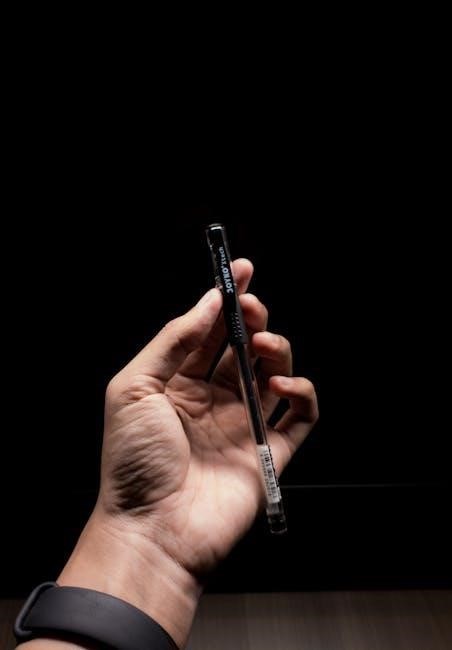
Previewing images on the pen’s limited display is possible‚ though detailed review is best done on a computer. Ensure sufficient lighting when reviewing on the pen. Experiment with different angles and lighting conditions to optimize photo quality. Practice makes perfect!
Photo Resolution Options
Spy pens typically offer several photo resolution settings‚ impacting image quality and file size. Common options include low‚ medium‚ and high resolutions‚ often expressed in megapixels (MP). Higher resolutions (e.g.‚ 12MP) yield sharper‚ more detailed images‚ suitable for printing or significant enlargement.
Lower resolutions (e.g.‚ 3MP or 5MP) produce smaller file sizes‚ allowing more photos to be stored on the memory card. These are adequate for quick snapshots or sharing online where detail isn’t paramount. Consider your intended use when selecting a resolution.
Accessing resolution settings usually involves navigating the pen’s menu system via the operation button. Refer to your user manual for specific instructions. Experiment with different settings to find the optimal balance between quality and storage capacity.
Be aware that higher resolutions consume battery power more quickly. Adjust the resolution based on your needs and available battery life. Remember to format the memory card after changing resolutions to ensure compatibility.
Transferring Files to Your Computer
To access your recorded videos and photos‚ you’ll need to transfer them from the spy pen’s memory card to your computer. This is typically done using a USB cable‚ which is usually included with your device. Ensure your computer is powered on before connecting the pen.
Connect the smaller USB end of the cable to the port on the spy pen‚ and the larger USB end to a USB port on your computer. Your computer should recognize the pen as a removable drive‚ similar to a USB flash drive. You may receive a notification prompting you to select how to open the drive.
Open the drive to browse the files. Files are often stored in a DCIM folder. You can then copy and paste or drag and drop the desired files to a folder on your computer. Safely eject the spy pen from your computer before disconnecting the USB cable to prevent data corruption.
If the pen isn’t recognized‚ try a different USB port or restart your computer. Consult your user manual for specific troubleshooting steps.
Connecting to Your Computer (USB)
Establishing a USB connection between your spy pen and computer is crucial for file transfer. Locate the micro-USB port on your spy pen – it’s usually subtly integrated into the pen’s design; Carefully insert the corresponding end of the provided USB cable into this port.
Next‚ connect the standard USB-A end of the cable into an available USB port on your computer. Avoid using USB hubs if possible‚ as they can sometimes interfere with the connection. Allow a few moments for your computer to detect the device.
Your operating system should automatically recognize the spy pen as a removable storage device. A notification may appear in the system tray‚ or a new drive letter will be assigned in File Explorer (Windows) or Finder (Mac). If prompted‚ select “Open to view files” or a similar option.
If the device isn’t recognized‚ try a different USB port‚ restart your computer‚ or check the cable for damage. Ensure the cable is securely connected at both ends.
File Formats & Compatibility
Your spy pen typically records video in AVI or MP4 format‚ and photos as JPEG files. These are widely supported formats‚ ensuring compatibility with most computers and media players. However‚ older systems might require codec packs to play AVI files smoothly.
MP4 is generally preferred for its efficient compression and broad compatibility. JPEG images are universally viewable. To ensure seamless playback‚ consider installing the latest version of VLC Media Player‚ a free and versatile media player that supports numerous codecs.
Compatibility extends to both Windows and macOS operating systems. Simply connect the spy pen via USB‚ and the files should be accessible like any other removable drive. For mobile devices‚ you may need to transfer files to your computer first‚ then sync them to your phone or tablet.
If you encounter issues opening files‚ verify the file extension and try a different media player. Occasionally‚ a corrupted file may occur; in such cases‚ the recording may be unrecoverable.
Troubleshooting Common Issues
If your spy pen isn’t recording‚ first check the battery level and ensure the memory card is properly inserted and has sufficient space. A full memory card will halt recording. If the pen powers on but doesn’t record‚ try formatting the memory card again;
For issues with file transfer‚ verify your USB connection and try a different USB port. Sometimes‚ a computer restart can resolve connectivity problems. If files appear corrupted‚ the memory card might be faulty and require replacement.
Poor video quality can often be attributed to low lighting conditions. Ensure adequate illumination or utilize the pen’s low-light recording features‚ if available. If the pen freezes or becomes unresponsive‚ try a reset by inserting a pin into the reset hole (if equipped).
Finally‚ if you’re still experiencing difficulties‚ consult the manufacturer’s website for FAQs or contact their customer support for assistance. Remember to keep the firmware updated‚ if updates are provided.
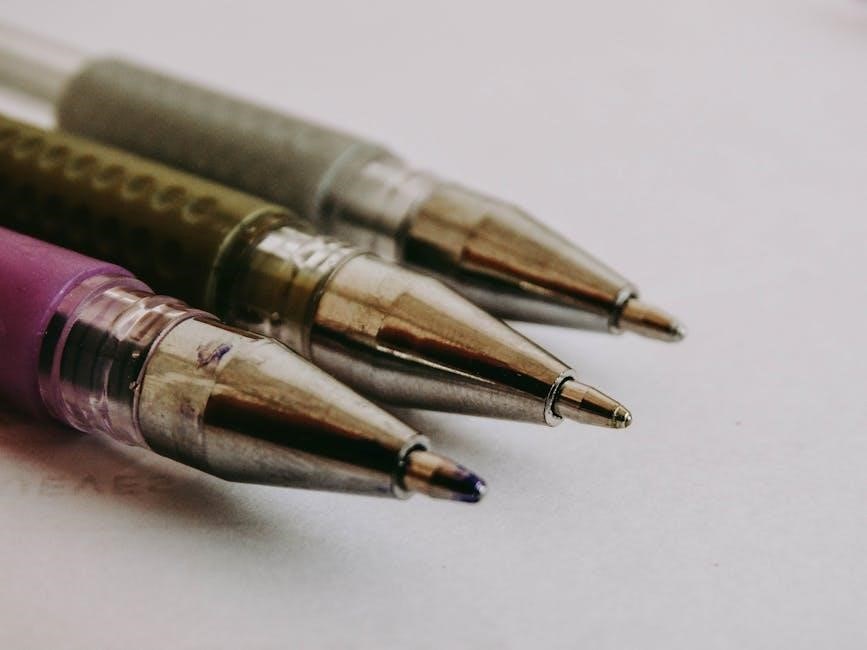
Battery Life & Power Saving Tips
Battery life in spy pens varies depending on resolution‚ recording duration‚ and usage. Generally‚ expect around 60-90 minutes of continuous recording on a full charge. To maximize battery performance‚ consider these tips:
Reduce video resolution when high definition isn’t crucial; lower resolutions consume less power. Avoid prolonged use in low-light conditions‚ as the infrared function drains the battery faster. Turn off the pen completely when not in use; even standby mode consumes some power.
Regularly check the battery indicator and charge the pen before it’s completely depleted. Using a high-quality USB charger and cable can also improve charging efficiency. Avoid exposing the pen to extreme temperatures‚ as this can damage the battery. Consider purchasing a spare battery for extended recording sessions.
Finally‚ if you plan to store the pen for an extended period‚ charge the battery to around 50% before storage to prevent damage. Proper battery maintenance will ensure reliable performance.
0 comments on “spy pen instructions”Add yours →